How to Propagate Wild bergamot?
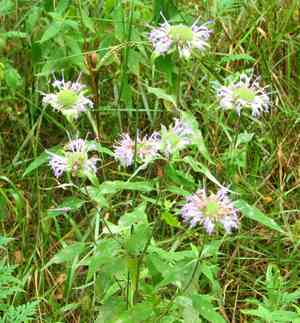
Monarda fistulosa, a adaptable herbaceous plant, primarily reproduces by planting seeds in the springtime. This method presents a moderate challenge, yet successful germination is evident when small sprouts appear. Provide sufficient hydration and sunlight to achieve the best outcomes.
Optimal Time for Wild Bergamot Propagation
Propagation Method
Sowing
Propagation Period
Spring
Tools for Wild Bergamot Propagation
Seed trays
Seed trays offer a controlled setting for wild bergamot seed germination. These shallow containers, filled with a light, well-draining seed starting mix, support healthy root growth. Their segmented design provides individual spaces, minimizing root disturbance during transplanting.
Peat pots
Peat pots are biodegradable containers especially good for wild bergamot, as they cause minimal root disruption during transplanting. Since wild bergamot is sensitive to root disturbance, peat pots can be planted directly into the soil, lessening transplant shock and aiding establishment.
Misting spray bottle
A misting spray bottle is crucial for keeping the soil moist during wild bergamot germination without over-saturating it. Consistent dampness is key, but wild bergamot seeds and delicate seedlings should not be exposed to strong water flow, which could dislodge seeds or harm young plants.
Heat mat
A heat mat is a specialized device that can boost wild bergamot's germination rate by providing steady bottom warmth. This tool is important for maintaining an ideal soil temperature, especially useful in colder months or areas with fluctuating temperatures.
Grow lights
Grow lights can help provide enough illumination for wild bergamot's germination and early development when natural light is insufficient. They can be adjusted in height to keep an appropriate distance from seedlings, promoting strong, healthy growth with a full spectrum of light.
How to Propagate Wild Bergamot
Propagation Method
Sowing
Difficulty Level
Easy
Caring for Newly Propagated Wild Bergamot
Caring for Newly Propagated Wild Bergamot
After propagation, wild bergamot needs full sun to partial shade and prefers moist but well-drained soil. Water transplanted seedlings regularly to keep the soil damp, especially during dry spells. Mulch around plants to retain soil moisture and control weeds. Remove spent flowers to encourage more blooms. Divide plants every 3-4 years to maintain vigor and prevent overcrowding. Monitor for pests and diseases, treating as needed. Wild bergamot is relatively drought-tolerant and pest-resistant, but it can get powdery mildew, so ensure good air circulation by avoiding dense planting.
Common Errors to Avoid When Propagating Wild Bergamot
Overwatering
Excessive watering can lead to root rot and fungal issues, harming wild bergamot's health. Wild bergamot seedlings and cuttings have delicate roots that are easily damaged by too much moisture.
Deep planting
Planting wild bergamot seeds or cuttings too deep restricts oxygen, hindering proper root development and reducing successful propagation.
Ignoring sanitation
Failing to use sterilized propagation tools and clean containers can introduce pathogens to wild bergamot, potentially causing plant disease and poor growth.
Overcrowding
Sowing wild bergamot seeds or placing cuttings too close together can limit air circulation and light, leading to weaker plants and increased disease susceptibility.
Tips for Propagating Wild Bergamot
Soil selection
Choosing well-draining soil rich in organic matter will support wild bergamot's root development and overall health, boosting propagation success.
Rooting hormone
Applying rooting hormone to wild bergamot cuttings can enhance root formation and establishment, but it should be used carefully to avoid potential negative effects.
Moisture balance
Maintaining consistent moisture without waterlogging is crucial for wild bergamot seed germination and cutting root development. This supports healthy growth without the risks of overwatering.
Proper spacing
Allowing adequate space between seeds or cuttings ensures sufficient air circulation and light exposure, which is vital for robust wild bergamot growth.



