How to Propagate Dawn redwood?
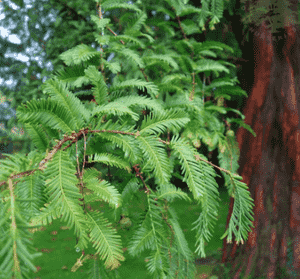
Metasequoia glyptostroboides is most effectively propagated in the fall and winter seasons, predominantly utilizing techniques like air layering, cuttings, and seed planting. Achieving successful propagation demands a moderate level of expertise, with the emergence of new shoots and root systems serving as primary indicators of success. Meticulous oversight of hydration levels is essential throughout the propagation procedure.
Optimal Period for Dawn Redwood Propagation
Propagation Type
Cutting
Propagation Season
Autumn,Winter
Tools Required for Dawn Redwood Propagation
Sharp pruning shears
These are vital for taking cuttings from dawn redwood. They must be sharp to ensure a clean cut that does not crush the plant's tissue, which could lead to disease and poor rooting.
Rooting hormone
This compound encourages root growth on cuttings of dawn redwood. It can drastically improve the success rate of cuttings by stimulating root development and helping prevent fungal infection.
Sterile potting mix
A sterile growing medium is crucial for the rooting of dawn redwood cuttings to prevent disease. It should be well-draining to maintain the appropriate moisture level and promote root growth.
Propagation trays
Trays are needed to hold the cuttings of dawn redwood in the potting mix. They should have good drainage and may come with lids to help maintain humidity levels while the cuttings root.
Misting bottle
Misting the cuttings of dawn redwood helps to keep them hydrated and encourages a humid environment which is beneficial for root development.
Heat mat
Providing bottom heat can improve the rooting success of dawn redwood by maintaining a consistent soil temperature, which promotes root formation in the cuttings.
Plastic dome or cover
A dome or cover helps maintain high humidity around the dawn redwood cuttings, which reduces water loss from the leaves and stems, ensuring the cuttings do not dry out before they root.
Post-Propagation Care for Your Dawn Redwood
How to Care for Your Newly Propagated Dawn Redwood?
Dawn redwood requires a moist environment to thrive, so ensure the soil remains evenly moist but not saturated. Once rooting is established, usually evident by new foliage growth, gradually acclimate the plant to less humid conditions before transplanting outdoors. Provide dawn redwood with a location that has full sun to partial shade and rich, well-drained soil. Dawn redwood is a fast-grower; therefore, adequate space is imperative for its mature size. During the growing season, fertilize with a balanced fertilizer to support healthy growth.
Common Errors to Avoid When Propagating Dawn Redwood
Overwatering cuttings
Excessive watering can lead to root rot and fungal issues, reducing the likelihood of successful rooting.
Using non-sterile tools
This may introduce pathogens that could hinder dawn redwood cuttings from establishing or cause disease.
Neglecting humidity levels
Cuttings of dawn redwood require a consistent humidity level to prevent them from drying out before they root.
Cutting at inappropriate nodes
This could damage the cutting's ability to form roots and shoots properly.
Ignoring sanitation of containers
Contaminated containers can introduce disease that might kill the cutting or impede growth.
Advice for Propagating Dawn Redwood
Proper cutting selection
Choose healthy, young, and non-flowering branches to increase success rates.
Rooting hormone use
Applying rooting hormone can stimulate root growth and improve the chances of successful propagation.
Correct soil medium
Use a well-draining soil mix to prevent waterlogged conditions that can be detrimental to root formation.
Maintaining optimal humidity
Create a humid environment using a plastic cover or propagation chamber to encourage rooting.
Careful watering
Water the cuttings sufficiently to keep the soil moist but not soaked, ensuring roots receive adequate moisture without rotting.



