How to Propagate Buck-bean?
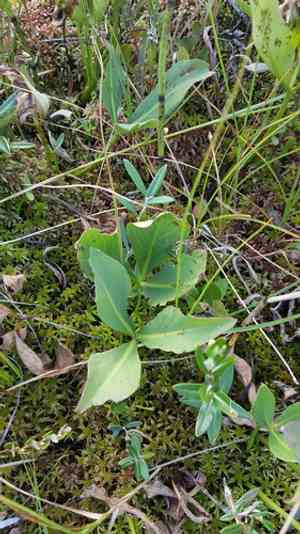
Buck-bean thrives most effectively when reproduced by seeding. It is crucial to choose a damp, adequately draining medium for the seeds, replicating the plant's natural marshy environment. Gently cover the seeds with earth, making sure they are not buried too deeply to aid in simpler emergence. Steady hydration is key, thus frequent irrigation is necessary to preserve the correct moisture level without leading to oversaturation, which can hinder seed sprouting.
When Is the Optimal Time to Propagate Buck-bean?
Propagation Method
Seeding
Propagation Period
Spring
What Equipment Is Used in Buck-bean Propagation?
Seed trays
Seed trays are crucial for successfully propagating buck-bean via sowing. They enable even seed distribution and offer an organized setting for initial development. Seed trays must have proper drainage to prevent waterlogging, which is vital for buck-bean's aquatic nature, helping to mimic its natural wetland habitat.
Peat pots
Peat pots offer an ideal medium for buck-bean seeds due to their moisture-retaining qualities, closely resembling the wet conditions of buck-bean's native environment. The biodegradable material of peat pots also allows for easy transplanting without disturbing the root system, helping to reduce transplant shock as the plants can be placed directly into the ground.
Misting bottle
A misting bottle is essential for gently watering buck-bean seeds. The fine spray ensures the soil is damp but not oversaturated, meeting buck-bean's moisture needs without dislodging the seeds. This tool helps maintain the necessary humidity around the seeds, which is crucial during their germination phase.
Fine sieve or mesh
A fine sieve or mesh is useful for evenly distributing a light layer of soil over the sown buck-bean seeds. This helps provide the correct soil cover depth—not too deep to hinder growth, yet sufficient to protect the seeds. This is particularly important for buck-bean to ensure optimal light exposure and temperature control during germination.
How to Propagate Buck-bean?
Propagation Difficulty
Simple
How to Care for Your Newly Propagated Buck-bean?
How to Care for Your Newly Propagated Buck-bean?
After germination, continue to ensure that buck-bean is grown in a wet environment, as it naturally thrives in boggy or aquatic settings. Gradually introduce young plants to outdoor conditions if initially grown indoors. Maintain consistent soil moisture and provide partial to full sunlight exposure depending on your local climate. Buck-bean is resilient but can benefit from periodic feeding with a water-soluble fertilizer formulated for aquatic plants, especially during the growing season.
Common Errors to Avoid When Propagating Buck-bean
Overwatering
While buck-bean thrives in wet conditions, maintaining overly saturated soil or water can be harmful. Too much water lacks oxygen, which can lead to root rot or fungal infections that weaken or kill buck-bean.
Using too dense soil
Buck-bean requires a loamy, well-aerated substrate. Using soil that is too dense or compact can hinder root growth and water drainage, leading to poor plant health.
Neglecting light requirements
Although buck-bean is often found in partially shaded environments, it still requires adequate light. Insufficient light can result in weak growth and reduce the plant's vigor.
Improper division technique
Dividing buck-bean's rhizomes incorrectly can damage the plant. Rough handling or incorrect tools can harm the rhizomes, reducing the likelihood of successful propagation.
Advice For Propagating Buck-bean
Maintain moisture
Ensure the substrate around buck-bean remains moist but not waterlogged. Using a substrate that allows for proper moisture retention and drainage will facilitate healthy growth.
Use the right soil mix
Opt for a lightweight, loamy soil that offers good water retention while allowing excess water to drain. Avoid heavy, clay-rich soils that can suffocate the roots of buck-bean.
Provide adequate light
While buck-bean can tolerate partial shade, ensuring it receives sufficient indirect sunlight will promote healthier growth and propagation success.
Careful division
When propagating buck-bean through division, use sharp, clean tools to gently separate the rhizomes. This prevents infection and ensures that each section has a part of the root system intact for better survival rates.



