How to Propagate Lemon balm?
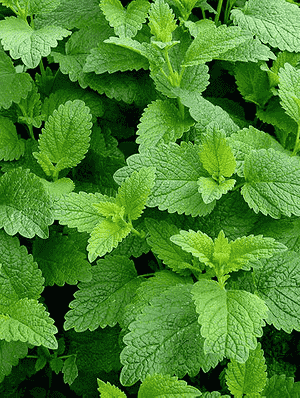
Lemon balm is most effectively multiplied in the springtime by planting seeds. Its propagation presents a moderate level of challenge. Evidence of successful propagation includes the emergence of fresh shoots and robust foliage. For the best outcomes, guarantee a growing medium that drains efficiently and maintains steady hydration.
What Is the Best Time To Propagate Lemon Balm?
Propagation Type
Sowing
Propagation Season
Spring
What Tools Are Used in Lemon Balm Propagation?
Seed trays with drainage holes
These offer an organized area for planting lemon balm's seeds while allowing excess water to escape, preventing waterlogging and root decay. By maintaining optimal moisture, seed trays improve seed germination and growth.
Fine-grade seed compost
Specifically formulated for seed germination, this medium provides balanced nutrients and good drainage, crucial for lemon balm's initial root development, leading to robust seedling growth.
Seedling heat mat
This device provides consistent warmth from below, significantly boosting lemon balm's seed germination rates by mimicking the ideal warm conditions needed for effective sprouting.
Misting bottle or spray
A misting bottle allows for gentle watering to maintain consistent moisture around lemon balm's seeds without dislodging them or causing soil erosion, vital for the survival and growth of delicate seedlings.
Transparent plastic dome or cover
Placing a cover over seed trays creates a miniature greenhouse effect, stabilizing humidity and temperature, which are essential for lemon balm's successful propagation from seeds.
Plant labels and marker
Using labels ensures precise identification of lemon balm's seedlings. This is especially important when planting multiple species simultaneously, facilitating organized tracking of propagation progress.
Tweezers
For handling lemon balm's tiny seeds with precision during planting, reducing seed waste, and positioning them accurately without direct contact that could damage them or transmit diseases.
How to Propagate Lemon Balm?
Propagation Type
Sowing
Difficulty Level
Easy
How to Care for Your Newly Propagated Lemon Balm?
How to Care for Your Newly Propagated Lemon Balm?
Lemon balm thrives in full sun to partial shade and prefers well-drained soil. After propagation, water young lemon balm plants regularly to keep the soil consistently moist but not waterlogged. As they mature, reduce watering frequency to encourage stronger root systems. Fertilize with a balanced, all-purpose plant food every 4-6 weeks during the growing season. Prune lemon balm periodically to promote bushier growth and remove any dead or yellowing leaves. Protect lemon balm from extreme cold by mulching the base in the fall, especially in areas with harsh winters. Container-grown lemon balm should be brought indoors or to a sheltered area to overwinter.
Common Mistakes to Avoid When Propagating Lemon Balm
Overwatering
Saturated soil can lead to root rot, which hinders lemon balm's growth and can kill the plant.
Ignoring pest infestation
Pests can rapidly spread to new cuttings or seedlings, causing damage or disease that can negatively impact propagation success.
Improper cutting technique
Unclean or incorrect cuts can damage lemon balm's stems and impede root development or introduce disease.
Planting too deeply
Seeds or cuttings of lemon balm buried too deep may struggle with germination or rooting due to insufficient light or oxygen.
Tips For Propagating Lemon Balm
Stem cutting selection
Choose healthy, non-flowering stems for cuttings to encourage better root development.
Soil preparation
Use well-draining soil to prevent root rot, and ensure the soil is slightly moist for optimal rooting conditions.
Regular monitoring
Keep a close watch on lemon balm's cuttings to address any signs of poor health promptly, adjusting growing conditions as needed.
Cutting treatment
Apply rooting hormone to the cut end of the stem to promote healthy root growth and increase the chances of successful propagation.



