How to Propagate Bur clover?
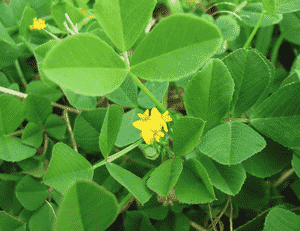
The most effective way to propagate bur clover is by planting seeds in the springtime. This species readily reproduces, exhibiting positive germination rates with the appearance of young plants. Provide soil that drains efficiently and maintain steady hydration for peak development.
Optimal Time for Bur Clover Propagation
Propagation Method
Seeding
Propagation Period
Spring
Essential Tools for Bur Clover Propagation
Seed Trays or Flats
Seed trays or flats offer an organized space for planting seeds at the correct depth and spacing. Their shallow design is perfect for the typically small bur clover seeds, allowing ample light and easy moisture control.
Peat Pots or Biodegradable Cells
Peat pots or biodegradable cells help minimize root disturbance during transplanting. Given bur clover's potentially delicate roots, these pots allow the plant to be moved without removal, as the material naturally breaks down in the soil.
Sterile Seed Starting Mix
A sterile seed starting mix is free from pathogens and weed seeds, providing a safe growing environment for bur clover. This promotes healthy seedling development and reduces the risk of diseases affecting germination and early growth.
Misting Bottle or Sprayer
A misting bottle or sprayer is used to gently water bur clover seeds. It delivers a fine mist that moistens the soil without causing erosion or disturbing tiny seeds, which is crucial for maintaining ideal moisture levels for germination.
Vermiculite or Perlite
Adding vermiculite or perlite to the seed starting mix enhances aeration and drainage, creating an optimal root environment for bur clover. These materials also help retain the right amount of moisture around the seeds, boosting germination rates and root development.
Fine Mesh Sieve
A fine mesh sieve is useful for evenly distributing a light layer of soil over sown bur clover seeds. It ensures seeds aren't buried too deeply and allows for better light penetration, which is vital for germination.
Labels and Markers
Labels and markers are essential for identifying sown seeds, especially with multiple cultivars or planting dates. Proper labeling ensures appropriate care and monitoring for each batch of bur clover seedlings as they grow.
Temperature Control Mat
A temperature control mat, or heat mat, maintains a consistent soil temperature, significantly impacting bur clover germination success. By providing steady warmth, these mats encourage faster and more uniform seedling emergence.
How to Propagate Bur Clover?
Propagation Method
Seeding
Difficulty Level
Simple
Caring for Newly Propagated Bur Clover
Caring for Newly Propagated Bur Clover
After propagation, continue to water bur clover consistently, especially during extended dry periods, as steady moisture promotes healthy growth. Fertilization might not be needed in fertile soil; however, a balanced, slow-release fertilizer can be applied early in the growing stage if necessary. Bur clover is resilient and typically requires minimal upkeep once established. Regularly check plants for pests or diseases and manage them with suitable cultural or chemical controls if they appear. Trim or mow bur clover plants after flowering to control spreading if desired, as they can self-seed abundantly.
Common Errors to Avoid When Propagating Bur Clover
Insufficient soil preparation
Failing to properly prepare the soil can lead to poor root establishment and growth. For bur clover, well-draining soil rich in organic matter is crucial. Compacted or low-quality soil may result in weak plants prone to diseases.
Excessive watering
While bur clover needs moist conditions to germinate and grow, too much water can cause root rot or fungal diseases. Overwatering can suffocate roots, reducing available oxygen and hindering plant growth.
Ignoring weed competition
Bur clover may struggle if propagated in an area with significant weed competition. Weeds can outcompete young plants for nutrients, light, and space, severely inhibiting their growth and reducing propagation success.
Incorrect planting depth
Sowing seeds at the wrong depth may prevent bur clover from germinating. Seeds planted too deep might not reach the soil surface, while those too shallow may be exposed to elements or fail to establish a strong root system.
Tips for Propagating Bur Clover
Soil enhancements
Improve the planting area with compost or well-rotted manure before sowing to ensure fertile and well-draining soil. This provides bur clover with optimal conditions for root development and growth.
Proper watering technique
Establish a regular watering schedule that keeps the soil moist but not waterlogged. Using a gentle spray to water seeds and young plants can help prevent dislodging or burying them too deeply.
Weed management
Maintain a weed-free planting area before sowing seeds and during early growth stages. This can be achieved through manual weeding or mulching to suppress unwanted plants. Reducing competition allows bur clover to establish more successfully.
Correct sowing depth
Sow bur clover seeds at the recommended depth, typically just below the soil surface. This ensures adequate contact with the soil for moisture absorption and successful germination.



