How to Propagate European waterclover?
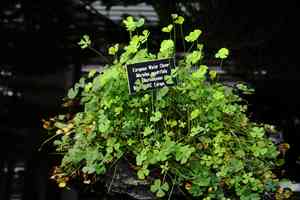
European waterclover propagates effectively via seeding. To achieve peak development, utilize a well-draining, damp substrate, given that this variety flourishes in aquatic settings. Meticulously collect the spores once they are fully developed, then plant them in a regulated setting. Delicate handling of the spores is essential, as they constitute the main reproductive material. Maintain consistent moisture in the soil and position it in an area receiving diffused light to aid sprouting. Perseverance is vital, as european waterclover requires a period to mature into a full-grown specimen.
Optimal Period for European Waterclover Propagation
Propagation Method
Seeding
Propagation Period
Spring
Tools Required for European Waterclover Propagation
Aquatic planting baskets
These containers are vital for holding european waterclover rhizomes, preventing uncontrolled spread in water. Their mesh design allows free circulation of water and nutrients, fostering robust root growth.
Waterproof gloves
Handling european waterclover, especially during aquatic planting, may involve prolonged hand immersion. Waterproof gloves shield skin from extended water exposure and potential aquatic irritants.
Sharp scissors or pruning shears
These instruments are used for trimming and preparing european waterclover rhizomes or roots before planting. Clean, precise cuts minimize tissue damage, promoting better post-planting health and growth.
Aquatic plant fertilizer
Specifically formulated for water plants, this fertilizer supports european waterclover's growth by supplying essential nutrients often scarce in aquatic settings. This aids vigorous development after propagation.
Steps to Propagate European Waterclover
Propagation Type
Simple
Post-Propagation Care for Your European Waterclover
Post-Propagation Care for Your European Waterclover
After propagation, maintain consistent moisture and shield the area from strong currents or floods that could dislodge young plants. European waterclover thrives in nutrient-rich substrates, so consider adding compost to the mud if growth appears slow. Regularly remove competing vegetation and monitor water quality for optimal growth.
Common Errors to Avoid When Propagating European Waterclover
Overwatering
While european waterclover prefers damp conditions, excessive watering can cause root rot, hindering growth and potentially killing the plant by suffocating roots and encouraging fungal diseases.
Poor Lighting
European waterclover needs ample light but not direct sun. Insufficient light can weaken european waterclover, while too much direct sunlight can scorch its leaves, impairing photosynthesis.
Incorrect Soil Mix
Using soil that doesn't mimic european waterclover's natural environment can be harmful. Heavy garden soil may impede water drainage and aeration, hindering root development and function.
Ignoring Water Quality
European waterclover is sensitive to water quality. Chlorinated tap water can harm the plants over time. The buildup of salts and chemicals can be detrimental to european waterclover's health.
Overcrowding
Planting european waterclover too closely inhibits growth due to competition for nutrients and light, leading to reduced health and propagation success.
Advice for Propagating European Waterclover
Humidity and Moisture
Maintain high humidity and consistent moisture levels for european waterclover, replicating its natural wetland habitat, without causing waterlogging.
Dappled Light
Provide bright, indirect or filtered light to support healthy growth of european waterclover, simulating its natural environmental light conditions.
Adequate Spacing
Space out the divisions sufficiently when propagating european waterclover to ensure each plantlet has enough room to develop without excessive competition.
Use Dechlorinated Water
Treat the water used for irrigating european waterclover to remove chlorine and other chemicals, or use rainwater when possible, to protect the plant from potential harm.
Right Soil Mix
Prepare a soil mix that is light and airy, capable of retaining moisture yet draining excess water. A blend of peat, sand, and loam is beneficial for european waterclover's root health.



