How to Propagate Prayer plant?
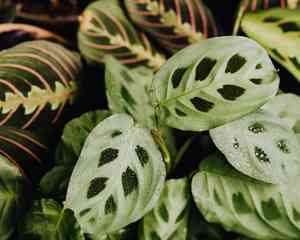
Maranta leuconeura flourishes when reproduced in the Spring or Summer seasons via cuttings. This procedure presents a moderate challenge, yet successful outcomes are indicated by the emergence of fresh foliage. A growing medium that drains efficiently facilitates successful propagation.
Optimal Time for Prayer Plant Propagation?
Propagation Method
Cutting
Propagation Period
Spring, Summer
Tools Required for Prayer Plant Propagation?
Sharp pruning shears or scissors
These implements are vital for making clean incisions on prayer plant stems or leaves, minimizing harm and boosting rooting success. A precise cut aids healing and lowers infection risk.
Rooting hormone
This substance promotes root development on prayer plant cuttings. Dipping the cut end of a stem into the hormone accelerates the propagation process and enhances the likelihood of successful root formation.
Propagation tray or small pots
These vessels hold the growing medium for prayer plant cuttings. Their dimensions should be suitable to accommodate the cuttings without overcrowding, allowing for adequate root expansion.
Sterile potting mix or peat-perlite mixture
A well-draining and sterile growth substrate offers essential support and aeration for the developing prayer plant roots. This helps prevent waterlogging and reduces the risk of soil-borne pathogens.
Plastic wrap or humidity dome
Maintaining elevated humidity is critical for prayer plant cuttings to prevent drying out. Covering the propagation tray or pots with plastic wrap or a humidity dome creates a micro-environment with increased moisture.
How to Propagate Prayer Plant?
Propagation Method
Cutting
Difficulty Level
Easy
Post-Propagation Care for Your Prayer Plant?
Post-Propagation Care for Your Prayer Plant?
After propagation, keep the prayer plant's soil consistently moist but avoid overwatering, as it thrives in high humidity. Provide bright, indirect light and maintain a warm room temperature of approximately 65-80°F (18-27°C). Shield prayer plant from direct sunlight and drafts. Fertilize sparingly during the growing season with a balanced, water-soluble feed. Continuously inspect for pests or diseases and address any issues promptly.
Common Errors to Avoid During Prayer Plant Propagation
Overwatering cuttings
Excessively wet soil can lead to rot in prayer plant cuttings. Saturated conditions encourage fungal and bacterial growth, which can harm delicate roots.
Deep planting
Inserting prayer plant cuttings too far into the soil can impede root formation and oxygen access, potentially causing decay.
Using dull tools
Cutting prayer plant stems with blunt blades can crush them, hindering water and nutrient absorption and increasing infection risk.
Ignoring humidity requirements
Prayer plant flourishes in high humidity. Attempting propagation in low humidity environments may cause cuttings to dehydrate before rooting.
Neglecting leaf health
Using prayer plant cuttings with poor leaf health, assuming all leaves can propagate, often results in failure. Unhealthy leaves are less likely to produce roots.
Advice for Propagating Prayer Plant
Sterilize tools
Utilize sanitized tools when taking prayer plant cuttings to prevent disease transmission, ensuring robust growth and root development.
Moist medium
Keep the soil or rooting medium damp, but not waterlogged, to provide the ideal moisture balance for prayer plant cuttings without causing rot.
Indirect light
Position prayer plant cuttings in indirect light to encourage rooting without stressing the plant with excessive direct sunlight.
Use of rooting hormones
Apply rooting hormone to prayer plant cuttings to stimulate root growth and enhance the likelihood of successful propagation.
Monitoring
Regularly check the soil's moisture levels and the health of the prayer plant cuttings, adjusting care as needed to support proper rooting and growth.



