How to Propagate Sapodilla?
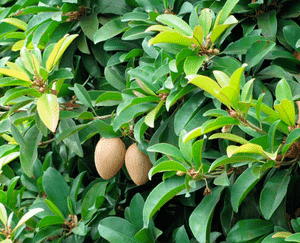
Manilkara zapota, a tropical fruit-producing arboreal species, is efficiently multiplied via the grafting technique. For improved success, utilize scions sourced from robust, fully grown trees, guaranteeing precise cambial layer matching for superior union. Meticulous post-grafting care, including consistent hydration and safeguarding the graft from harsh environmental conditions, is crucial for successful integration. Through dedicated oversight, grafted young trees will accurately replicate the fruit attributes and traits of the original plant.
Optimal Period for Sapodilla Propagation
Propagation Method
Grafting
Propagation Period
Spring,Winter
Tools Utilized in Sapodilla Propagation
Grafting Knife
A keen and precise grafting knife is vital for making clean incisions on the scion and rootstock of sapodilla. Clean cuts promote superior contact between grafting surfaces, crucial for a successful graft union and reducing infection risk.
Grafting Tape or Strips
These materials are employed to wrap and secure the graft junction of sapodilla, maintaining the alignment and position of the scion and rootstock. Grafting tape ensures adequate pressure for union while preventing moisture loss and protecting against external pathogens.
Rooting Hormone
While primarily used in cutting propagation, rooting hormone can also boost the establishment of sapodilla grafts. It can be applied to cut surfaces to stimulate quicker tissue repair and graft success, especially with less vigorous rootstocks.
Pruning Shears
Pruning shears are necessary to prepare the sapodilla rootstock for grafting. They must be sharp to ensure clean cuts without harming plant tissues, which is essential for minimizing stress and preventing disease entry.
Disinfectant
Used for sanitizing all tools before and after the sapodilla propagation process. This prevents disease transmission between plants during grafting operations. Proper tool hygiene is critical for maintaining plant health and viability.
How to Propagate Sapodilla?
Propagation Difficulty
Moderately Difficult
Post-Propagation Care for Your Sapodilla
Post-Propagation Care for Your Sapodilla
After grafting, position the grafted sapodilla in a spot with indirect sunlight and shelter from strong winds. Maintain consistent soil moisture, but avoid waterlogging. Regularly inspect the graft site for any signs of disease or failure, and keep the area around the sapodilla free of weeds. Gradual exposure to more sunlight can commence once the graft has fully taken, usually indicated by new growth from the scion. Continue routine care, including fertilization and pest management, to ensure the healthy development of sapodilla.
Common Errors to Avoid When Propagating Sapodilla
Overwatering
Excessive moisture can lead to root rot in sapodilla, which is particularly vulnerable due to its preference for well-drained soil conditions.
Poor Cutting Selection
Utilizing non-viable or diseased cuttings for propagation can result in rooting failure or the spread of disease to new sapodilla plants.
Planting Depth Errors
Planting seeds or cuttings too deeply can hinder sapodilla germination and rooting, while planting too shallowly can cause desiccation.
Ignoring Sanitation
Neglecting to sanitize tools or pots can introduce pathogens to sapodilla, potentially compromising plant health and propagation success.
Neglecting Humidity
Failing to maintain the correct humidity level can impair the rooting process of sapodilla cuttings by causing them moisture stress.
Advice for Propagating Sapodilla
Proper Watering
Maintain a balance of moist but not waterlogged soil to encourage robust root formation without risking root rot in sapodilla.
Healthy Cuttings
Ensure that cuttings are taken from healthy, disease-free sapodilla plants to improve the chances of successful propagation.
Appropriate Planting Depth
Plant sapodilla seeds or position cuttings at the correct depth according to their size; a rule of thumb is twice the diameter of the seed or cutting base.
Clean Tools and Containers
Use sterilized tools and containers to minimize the risk of contamination and disease in sapodilla propagation.
Humidity Control
Create a humid environment for sapodilla cuttings by using a humidity dome or misting them regularly, as this facilitates rooting.



