How to Propagate Mango tree?
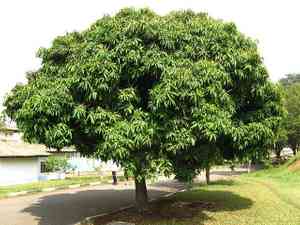
The most effective methods for propagating a Mango tree are grafting or layering, ideally performed in the spring and winter seasons. This propagation process presents a moderate challenge, with successful outcomes evidenced by the emergence of new shoots and foliage. To achieve the best results, it is crucial to utilize a robust rootstock.
Optimal Period for Mango Tree Propagation
Propagation Method
Grafting
Propagation Period
Spring,Winter
Essential Tools for Mango Tree Propagation
Grafting Knife
A sharp grafting knife is vital for making accurate cuts on mango tree's rootstock and scion. Clean cuts help ensure a successful union by reducing disease risk and improving contact between grafting partners.
Grafting Tape or Strips
This tool secures the grafted scion on mango tree, creating a tight seal to retain moisture and protect the graft union during healing. Its flexibility accommodates swelling as the graft mends.
Pruning Shears
For preparing the rootstock and removing unwanted growth, sanitized pruning shears make smooth cuts without harming the mango tree. This minimizes plant stress and prevents infection at cut sites.
Rooting Hormone
Applied to the scion's cut end, this promotes faster root development and increases the success rate of the graft taking hold on mango tree. This chemical aids in quicker healing and establishment of the graft union.
Budding Knife
This specialized knife features a rounded tip for T-budding, a common grafting method for mango tree. Its blade shape allows for delicate incisions essential for inserting the bud without damage.
Healing Compound
A healing compound can be applied to protect exposed cuts on mango tree from pests and diseases. It also helps seal the graft, preserving internal moisture, crucial for the grafting process.
Post-Propagation Care for Your Mango Tree
Post-Propagation Care for Your Mango Tree
Observe the grafted mango tree for growth signs, indicating a successful graft. Provide support for the new graft to prevent stress on the union. Continue regular watering and begin fertilizing with a balanced fertilizer after the first month. Protect young mango tree from extreme weather and pests. Prune mango tree to encourage branching and maintain structure as it matures.
Common Errors to Avoid When Propagating Mango Tree
Overwatering
Excessive watering can lead to root rot and reduce successful propagation. Mango tree needs proper drainage and should not sit in waterlogged soil.
Using diseased scion
Selecting a scion (cutting) from an unhealthy mango tree can transmit infections to the new plant, potentially causing failure or poor growth.
Improper cutting size
Cuttings that are too short or too long may struggle to root or sustain themselves. Find an appropriate balance based on typical propagation practices for mango tree.
Ignoring aseptic techniques
Not sterilizing cutting tools can introduce pathogens, hindering mango tree's chances of successful rooting and healthy growth.
Planting directly in soil
While some species root well directly in soil, mango tree benefits from starting in a controlled environment like a pot or rooting medium before transplanting.
Advice for Propagating Mango Tree
Use healthy scion
Selecting a healthy and vigorous scion from mango tree is crucial. It should be free from pests and diseases to ensure the best chance of rooting.
Adequate drainage
Ensure that the rooting medium has good drainage to prevent waterlogging, which can impair the rooting process for mango tree.
Sterilize tools
Sterilize all cutting tools before use to prevent the spread of diseases during the propagation process of mango tree.
Use rooting hormone
Applying a suitable rooting hormone to the cutting can promote root development and improve the overall success rate for mango tree.
Control humidity and temperature
Maintaining a humid and warm environment can facilitate the rooting of mango tree, but take care not to overdo it, as too much humidity can cause issues.



