How to Propagate Spiny pincushion cactus?
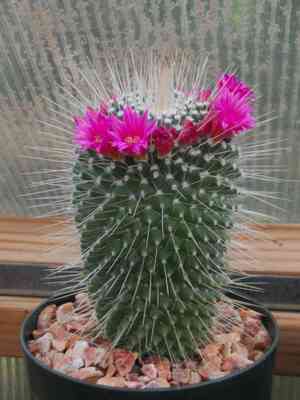
For best outcomes, the spiny pincushion cactus is most effectively propagated by planting seeds in the springtime. While this propagation method can be difficult, indicators of success are the emergence of new shoots and the formation of roots. To improve your chances of success, ensure appropriate levels of moisture, warmth, and a growing medium that drains efficiently.
Optimal Period for Propagating Spiny Pincushion Cactus
Propagation Method
Seed Sowing
Propagation Season
Spring
Equipment Utilized in Spiny Pincushion Cactus Propagation
Clean and sharp knife or scissors
These instruments are used for taking cuttings from spiny pincushion cactus, as they must be employed to carefully detach offsets from the parent plant without causing harm. A clean, sharp blade ensures a precise cut, reducing infection risks and promoting quicker healing in both the parent plant and the offsets.
Cactus mix or well-draining soil
The soil blend is vital for seed sowing and the healthy development of spiny pincushion cactus. A well-draining cactus mix prevents waterlogging and root decay. It also supplies the plant with the correct balance of nutrients and aeration crucial for root formation during propagation.
Seed tray or small pots
Seed trays or small containers are utilized to sow the seeds of spiny pincushion cactus. These receptacles offer a controlled environment for seeds to sprout and for young seedlings to grow until they are large enough for transplanting. They facilitate the management of soil conditions and watering.
Perlite or sand
Perlite or sand is blended with the soil to improve its drainage and aeration capabilities. These materials are essential when propagating spiny pincushion cactus from seeds as they prevent soil compaction and help create an ideal rooting environment for the delicate cactus seedlings.
Tweezers
Tweezers are useful for handling the tiny seeds of spiny pincushion cactus, which can be challenging to sow evenly with fingers alone. Using tweezers helps place seeds accurately into the seedling mix, minimizing waste and encouraging uniform spacing for optimal seedling growth.
Watering can with a fine nozzle
A watering can with a fine nozzle is employed to gently irrigate the soil where spiny pincushion cactus seeds are sown. The fine spray helps maintain consistent soil moisture without disturbing the seeds or causing erosion on the soil surface where tender roots are forming.
Plastic wrap or clear cover
A plastic wrap or transparent cover is used to create a mini-greenhouse effect over the seed tray or pots. This helps maintain high humidity and stable temperatures, which are crucial conditions for the germination of spiny pincushion cactus seeds.
Heating mat (optional)
For propagators in cooler climates, a heating mat can be used to gently warm the soil in the seed tray to encourage germination of spiny pincushion cactus seeds. Consistent warmth can accelerate germination and support seedling development.
How to Propagate Spiny Pincushion Cactus?
Propagation Type
Seed Sowing
Difficulty Level
Easy
Caring for Your Newly Propagated Spiny Pincushion Cactus
Caring for Your Newly Propagated Spiny Pincushion Cactus?
Following propagation via sowing, young spiny pincushion cactus require bright but indirect sunlight, minimal watering (allowing the soil to dry out between waterings), and occasional light feeding with a cactus fertilizer during the growing season. Keep spiny pincushion cactus at average room temperatures; protect from frost and ensure good airflow to prevent pests and diseases. As the plants mature, gradually introduce them to conditions that mimic their natural habitat, such as more direct sunlight and infrequent watering.
Common Errors to Avoid When Propagating Spiny Pincushion Cactus
Overwatering cuttings
Excess moisture can lead to rot in spiny pincushion cactus cuttings before they can properly root. It is crucial to allow the cut surface to callous and the soil to dry between waterings to prevent decay.
Using unsterilized tools
When cuttings or seeds are propagated with unclean tools, it can introduce pathogens that may impede the growth of spiny pincushion cactus or even kill the new plants. Sterilization of tools is essential to minimize this risk.
Too deep planting
Inserting spiny pincushion cactus seeds or cuttings too deeply into the substrate can make it difficult for them to receive sufficient light and air to initiate growth. Shallow planting is generally more effective.
Incorrect soil mix
A soil mix that does not drain well can retain moisture and cause root rot in spiny pincushion cactus. A well-drained cactus mix is necessary to support healthy root development.
Neglecting to harden off offsets
Failure to properly acclimate spiny pincushion cactus's offsets before planting can result in shock and poor establishment. Gradually introducing offsets to their new environment is crucial for their survival.
Tips For Propagating Spiny Pincushion Cactus
Use a sharp, clean knife
A clean cut helps prevent infection and supports better healing of the cut surface on spiny pincushion cactus cuttings. A sharp blade ensures a clean cut without damaging the tissues.
Provide ample indirect sunlight
While spiny pincushion cactus requires light for growth, direct sunlight can scorch young plantlets. Gradually increase light exposure to avoid stress on the new plants.
Maintain a warm temperature
Consistent, warm temperatures support the rooting process of spiny pincushion cactus. Avoid fluctuating temperatures that can interfere with the propagation success.
Allow cuttings to callous
Before planting, cuttings of spiny pincushion cactus need time to form a callous over their cut surfaces to protect against rot when introduced to soil.
Use a porous cactus mix
A well-draining mix is essential for spiny pincushion cactus to prevent excess moisture around the roots. Sand, perlite, and pumice can help create a suitable environment for rooting.



