How to Propagate European crab apple?
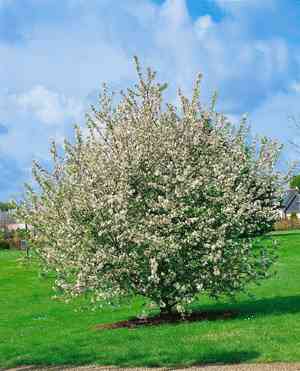
The European crab apple is successfully multiplied via grafting, a technique ideal for preserving the species' genetic characteristics. Cultivators ought to choose robust scion material from a preferred parent plant during its inactive period to guarantee a successful fusion with the rootstock. Meticulous focus on precise incisions and secure fastening enhances the likelihood of a thriving graft, fostering vigorous development and upholding the distinctive fruit attributes of the European crab apple.
What Is the Best Time To Propagate European Crab Apple?
Propagation Type
Grafting
Propagation Season
Spring,Winter
What Tools Are Used in European Crab Apple Propagation?
Grafting Knife
A grafting knife is crucial for precise cuts of scion and rootstock when grafting european crab apple. Its sharp, specialized blade ensures clean, smooth incisions, enhancing the likelihood of a successful union.
Grafting Tape
Grafting tape secures and holds the european crab apple graft union, maintaining alignment and protection until healing occurs. This tape typically degrades, preventing girdling as the plant matures.
Pruning Shears
Pruning shears are utilized to prepare the rootstock for grafting by making clean, accurate cuts. For european crab apple, minimizing damage and ensuring good vascular contact between graft components is vital.
Wound Sealant
Wound sealant is applied to the graft site and any cuts on european crab apple to prevent infection and drying out. This aids in quicker healing and establishment of the grafted plant.
Labeling Materials
Labels are important for tracking the grafting date and the type of graft employed. This is especially useful for european crab apple to monitor success rates and growth characteristics post-grafting.
How to Propagate European Crab Apple?
Propagation Type
Moderately Difficult
How to Care for Your Newly Propagated European Crab Apple?
How to Care for Your Newly Propagated European Crab Apple?
After propagation, gradually expose the new european crab apple graft to more sunlight to strengthen the joint and encourage robust growth. Ensure consistent watering, especially during dry periods, but avoid waterlogging. Regularly check for pests and diseases, and prune any unnecessary growth to maintain a strong form and healthy branches.
Common Mistakes to Avoid When Propagating European Crab Apple
Ignoring Soil Conditions
Using poorly draining soil can lead to waterlogging, potentially causing root rot in european crab apple. This error hinders healthy root development and can be detrimental to the propagation process.
Overlooking Disease Management
Failing to monitor and manage diseases can jeopardize propagation efforts with european crab apple. Fungal diseases are particularly problematic, and ignoring infection signs can lead to disease spread, impacting the health of new cuttings or seedlings.
Using Improper Cuttings
Taking cuttings from weak or diseased parts of european crab apple increases the chance of unsuccessful propagation. These cuttings struggle to establish and grow, lacking the vigor needed for rooting and development.
Inadequate Watering During Rooting
Either excessive or insufficient watering of european crab apple cuttings can result in poor root development or death. Consistently moist, but not saturated, conditions are essential for successful rooting.
Tips For Propagating European Crab Apple
Sterilize Tools and Cuttings
To prevent disease transmission during european crab apple propagation, always use clean and sterilized tools. Disinfecting cuttings can also help reduce the risk of disease.
Selective Cutting Selection
Choose healthy, vigorous branches from european crab apple for cuttings. These have a higher chance of successful rooting and overall plant health.
Adequate Moisture Control
Ensure european crab apple cuttings are kept in appropriately moist soil. Maintain consistent soil moisture until roots are well-established, without causing waterlogging.
Proper Cutting Placement
Insert european crab apple cuttings into the soil at the correct depth to provide sufficient support and maximize exposure to rooting hormone, if used. Planting too deep or shallow can impede rooting.



