How to Propagate Hall crabapple?
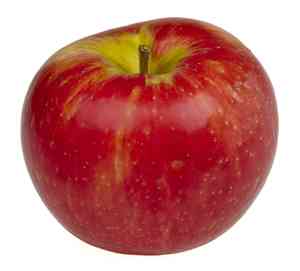
Hall crabapple plants are most effectively propagated in the fall and winter seasons utilizing techniques like hardwood cuttings, air layering, and planting seeds. The ease of propagation differs based on the chosen method, but successful establishment is indicated by the emergence of new shoots. Key recommendations for effective propagation involve guaranteeing proper water drainage and applying a rooting stimulant.
What Is the Best Time To Propagate Hall Crabapple?
Propagation Type
Cutting
Propagation Season
Autumn,Winter
What Tools Are Used in Hall Crabapple Propagation?
Sharp Pruning Shears
Pruning shears are vital for obtaining clean, precise cuttings from hall crabapple. A sharp blade ensures a neat cut, minimizing harm to both the parent plant and the cutting, which is crucial for successful healing and rooting of the new plant.
Rooting Hormone
Rooting hormone aids in the development of roots in hall crabapple cuttings by stimulating growth at the cut site. This enhances the likelihood of successful propagation by encouraging faster root establishment, leading to more robust and healthier plants.
Sterile Potting Mix
A sterile potting mix offers a clean, pathogen-free environment for hall crabapple cuttings to root. It helps prevent disease and supports healthy root growth by providing a balanced medium with suitable air and water retention properties.
Propagation Trays or Pots
Trays or pots are utilized to hold the potting mix and create a stable environment for hall crabapple cuttings to root. The design of these containers often allows for adequate drainage and also helps maintain the necessary humidity levels around the cuttings.
Misting Bottle
A misting bottle is employed to lightly water the hall crabapple cuttings, maintaining the required moisture levels around the leaves without over-saturating the soil. This tool is especially important for preventing the cuttings from drying out while they are rooting.
Plastic Cover or Dome
A plastic cover or dome over the propagation tray creates a greenhouse-like setting for hall crabapple cuttings, maintaining high humidity and temperature, which are essential for encouraging root development and preventing the cuttings from wilting.
Heating Mat
A heating mat gently warms the soil, which can improve the rooting success rate of hall crabapple cuttings by maintaining an optimal temperature range. This is beneficial for the propagation of temperate species like hall crabapple that may require warmth for root initiation, especially if propagated in cooler climates or seasons.
How to Care for Your Newly Propagated Hall Crabapple?
How to Care for Your Newly Propagated Hall Crabapple?
Once roots are established, gradually acclimate the hall crabapple cutting to lower humidity by opening or removing the plastic cover over several days. Transplant it into a larger pot or a prepared garden site with appropriate loamy, well-draining soil. Continue to keep the soil moist and provide a location with full sun to partial shade. Protect the young hall crabapple from harsh conditions such as strong winds and apply a balanced, slow-release fertilizer as per the specific needs of the plant to encourage healthy growth.
Common Mistakes to Avoid When Propagating Hall Crabapple
Overwatering cuttings
The roots of hall crabapple are particularly vulnerable to rot, especially during the rooting process. Excessive moisture can suffocate developing roots and promote fungal diseases, jeopardizing the plant's establishment.
Deep planting
Planting cuttings too deeply can lead to stem rot before rooting occurs. Hall crabapple's cuttings require an appropriate planting depth to ensure sufficient oxygen reaches the stem bases.
Ignoring cleanliness
Using uncleaned tools or containers can introduce pathogens to hall crabapple's cuttings or seeds, resulting in infections that can hinder propagation efforts.
Neglecting humidity control
Cuttings of hall crabapple need a balanced humidity level to prevent desiccation and to support the development of new roots. Failure to maintain adequate humidity can lead to the drying out of the cuttings.
Using unhardened offshoots or cuttings
Cuttings or offshoots that are too young and soft may lack the resilience needed to establish roots. Hardened, mature cuttings have a higher success rate when propagating hall crabapple.
Tips For Propagating Hall Crabapple
Proper cutting selection
Choose semi-hardwood cuttings from hall crabapple, as they tend to root more effectively. These are cuttings taken from the current year's growth that have begun to mature but are not yet fully hardened.
Soil medium
Utilize a well-draining soil mix for hall crabapple propagation. A blend of peat, perlite, and sand can provide the correct balance of moisture retention and drainage.
Rooting hormone application
Applying a rooting hormone to the base of hall crabapple's cuttings can stimulate root growth and increase the chances of successful propagation.
Environment control
Maintain a controlled environment for hall crabapple cuttings, whether in a greenhouse or a humidity dome. Consistent temperature and humidity levels are crucial for rooting success.
Gradual acclimatization
Once hall crabapple's cuttings have rooted, gradually acclimate them to external conditions before planting in their final location to prevent shock and ensure a smooth transition.



