How to Propagate Fraser magnolia?
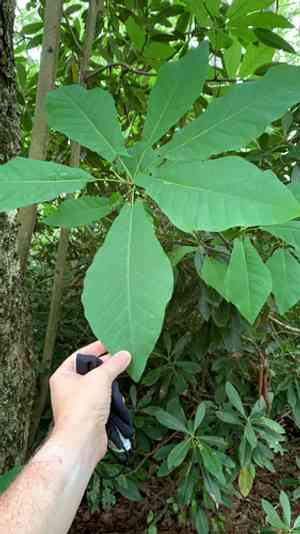
Fraser magnolia are cherished decorative plants recognized for their sizable, aromatic, tulip-like blossoms. For propagation, collect semi-hardwood sections from robust plants during their vigorous growth phases. Employ a rooting stimulant to boost success rates, and guarantee that the cuttings are situated in a porous substrate within an environment of elevated humidity and diffused illumination. Sustain steady moisture levels without oversaturation for ideal root formation. With diligent care, these cuttings can thrive and ultimately replicate the splendor of established plants.
Optimal Time for Fraser Magnolia Propagation
Propagation Method
Cutting
Propagation Period
Autumn,Winter
Tools for Fraser Magnolia Propagation
Sharp Pruning Shears
These are crucial for making clean, precise cuts from fraser magnolia, minimizing harm to the parent plant and cuttings. Sharp blades lessen infection risk and boost rooting success by creating a smooth cut that heals quickly.
Rooting Hormone
This compound stimulates root development on fraser magnolia cuttings, which can be difficult to root naturally. Applying rooting hormone to the fresh cut base of the stem increases the likelihood of root formation, thereby improving propagation success.
Sterile Potting Mix
A clean, sterile potting mix offers an ideal setting for root growth. For fraser magnolia, a well-aerated and well-draining mix helps prevent diseases while maintaining essential moisture around the cuttings, vital for root development.
Humidity Dome
Maintaining high humidity around fraser magnolia cuttings is essential to prevent water loss through leaves. A humidity dome helps keep the air around cuttings moist, which is crucial until new roots can effectively absorb water.
Heat Mat
Since fraser magnolia cuttings benefit from warmth at the base, a heat mat can be placed under the propagation tray. This promotes faster root growth by maintaining an optimal soil temperature, especially useful in cooler climates or seasons.
How to Propagate Fraser Magnolia?
Propagation Difficulty
Moderately Difficult
Caring for Your Newly Propagated Fraser Magnolia
Caring for Your Newly Propagated Fraser Magnolia
Once the fraser magnolia cutting has rooted, gradually acclimate the plant by slowly exposing it to outdoor conditions. Transplant into a larger container or directly into the ground in a spot with well-draining soil and partial to full sun. Continue to water regularly, allowing the soil to dry slightly between watering. Fertilize with a balanced, slow-release fertilizer during the growing season to encourage healthy growth. Monitor for common fraser magnolia pests and diseases and treat as needed.
Common Mistakes to Avoid When Propagating Fraser Magnolia
Insufficient soil preparation
Using unsuitable soil mixes can lead to poor root development or waterlogged conditions that negatively impact root health.
Excessive hydration
Overwatering can cause root rot and fungal diseases, severely affecting fraser magnolia's chances of surviving the propagation process.
Incorrect cutting techniques
Improperly taking cuttings or damaging the nodes where roots develop can compromise the ability of fraser magnolia to propagate successfully.
Neglecting cleanliness
Failing to use clean tools and materials can introduce pests and diseases, hindering fraser magnolia's growth or even causing death.
Tips For Propagating Fraser Magnolia
Application of root-promoting agents
Applying rooting hormone to the cuttings can encourage stronger root growth and increase the success rate of fraser magnolia's propagation.
Maintain consistent moisture
Keeping the soil consistently moist, but not waterlogged, supports healthy root development without risking rot.
Careful handling of cuttings
Taking cuttings with sharp, sanitized tools and handling them gently ensures the best chance for root initiation and growth.
Control environmental conditions
Providing a stable environment with the right temperature and humidity helps fraser magnolia's cuttings to establish and thrive.



