How to Propagate Osage orange?
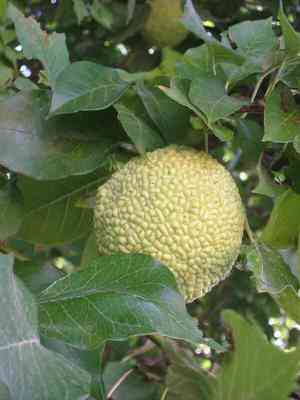
Osage orange can be reproduced via dormant wood cuttings, air layering, and seed planting. For optimal outcomes, propagation should occur in the fall and winter seasons. This plant presents a moderate challenge for propagation, and successful reproduction is indicated by the emergence of fresh roots and sprouts. Essential advice involves selecting robust parent specimens and guaranteeing adequate soil hydration.
When Is the Best Time to Propagate Osage Orange?
Propagation Method
Cutting
Propagation Period
Autumn,Winter
What Equipment Is Used in Osage Orange Propagation?
Sharp Pruning Shears
Crucial for taking cuttings from osage orange, sharp pruning shears ensure clean cuts that encourage rapid healing and lessen the risk of disease. A precise, clean cut is vital for the survival and rooting of cuttings.
Rooting Hormone
Rooting hormone stimulates root growth in osage orange cuttings. It contains synthetic auxins that mimic the plant's natural growth hormones, increasing the likelihood of successful root formation.
Sterilization Equipment (e.g., alcohol, bleach solution)
Sterilizing tools before taking cuttings from osage orange prevents the spread of diseases to the cuttings. A sanitized cutting environment contributes to the overall health of the new plants.
Propagation Trays
Propagation trays offer a suitable environment for osage orange cuttings to develop roots. The trays allow for consistent moisture and adequate airflow, both important factors for root development.
Potting Mix or Perlite
A well-draining medium is essential for osage orange cuttings to root without becoming waterlogged. Potting mix or perlite provides the proper balance of moisture retention and drainage needed for healthy root growth.
Humidity Domes
Maintaining high humidity around osage orange cuttings reduces water loss through transpiration, allowing the cutting to focus energy on root development. Humidity domes create a microclimate that supports this need.
Heat Mats
Consistent, bottom heat encourages root growth in osage orange cuttings. Heat mats gently warm the rooting medium, simulating the warm soil conditions that can improve rooting success.
How to Care for Your Newly Propagated Osage Orange?
How to Care for Your Newly Propagated Osage Orange?
Care for young osage orange trees by providing consistent moisture without waterlogging the soil, especially during the first growing season. Plant in well-drained soil and full sun for optimal growth. Mulch around the base to conserve moisture and regulate soil temperature. Osage orange may not require much fertilizer; if needed, apply a balanced slow-release formula. Prune any damaged branches to maintain tree health and shape.
Common Mistakes to Avoid When Propagating Osage Orange
Neglecting rootstock quality
Using inferior or diseased rootstock for grafting osage orange can result in weak union formation and poor plant growth, endangering the overall health and survival of the new plants.
Overwatering cuttings
Saturating the soil where osage orange cuttings are propagated can cause rot and fungal infections, inhibiting the formation of roots and potentially killing the cuttings.
Ignorance of cuttings’ orientation
Planting osage orange cuttings upside down confuses natural hormonal gradients within the plant, detrimentally affecting root and shoot development.
Impatience with seed germination
Seeds of osage orange have a hard outer coat, which leads to a slow germination process. Impatience can result in premature disposal of viable seeds that simply require more time to sprout.
Tips For Propagating Osage Orange
Stratification of seeds
Mimicking natural conditions by stratifying osage orange seeds can soften the hard seed coat, effectively breaking dormancy and promoting successful germination.
Proper cutting selection
Choosing healthy, mature stems from osage orange for cuttings increases the chances of successful rooting and plant vigor, as they contain ample energy reserves and hormones.
Humidity control
Maintaining an appropriate humidity level around osage orange cuttings fosters an optimal environment for root development without inviting mold and rot.
Clean tools for grafting
Using disinfected tools when grafting osage orange helps prevent the transmission of diseases, promoting a healthy union between the scion and rootstock.



