How to Propagate Gooseneck loosestrife?
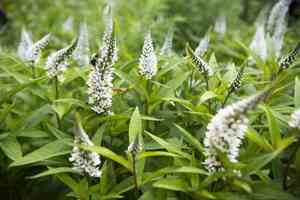
Lysimachia clethroides is a adaptable perennial, and preserving its aesthetic appeal necessitates comprehending its propagation requirements. Separation is a frequently advised strategy, enabling the cultivator to control its expansion and revitalize the plant's strength. Utilizing root sections is an additional successful technique, where segments of roots are replanted to cultivate new plants. When implementing these procedures, it is vital to guarantee that every separated portion or cutting possesses a sufficient amount of root and stem to foster prosperous development.
Optimal Period for Gooseneck Loosestrife Propagation
Propagation Method
Seeding
Propagation Period
Spring
Tools Utilized for Gooseneck Loosestrife Propagation
Seed trays
Seed trays are essential for initiating gooseneck loosestrife from seeds. Their shallow compartments facilitate ideal seed placement, which encourages sufficient air circulation and lowers disease risk. Employing seed trays aids in managing and organizing the initial growth phases, guaranteeing each seedling ample room to establish a robust root system prior to transplanting.
Potting mix
A premium potting mix guarantees that gooseneck loosestrife seedlings receive the proper drainage and nutrient content vital for vigorous growth. For gooseneck loosestrife, a potting mix that retains moisture yet drains effectively will support the early growth stages by offering a stable environment, crucial for delicate young roots.
Misting bottle or spray
A misting bottle is employed to gently moisten the seeds and young gooseneck loosestrife seedlings. Excessive watering can result in fungal infections and seedling demise, thus misting enables moisture regulation, providing a humid environment conducive to seed germination and initial growth without saturating the soil.
Grow lights (if indoor propagation)
Grow lights are indispensable if propagating gooseneck loosestrife indoors or in dimly lit conditions. They supply a consistent light source, which assists in emulating natural sunlight. This is particularly advantageous during the germination phase to ensure that gooseneck loosestrife receives sufficient light for photosynthesis and development.
Labels or markers
Labels or markers serve to distinguish various batches of gooseneck loosestrife seeds, especially if propagating multiple varieties or alongside other plants. Accurate labeling assists in tracking growth progress and applying specific care requirements, which is vital for the successful establishment of gooseneck loosestrife.
Propagating Gooseneck Loosestrife: A Guide
Propagation Difficulty
Simple
Caring for Your Newly Propagated Gooseneck Loosestrife
Caring for Your Newly Propagated Gooseneck Loosestrife
Gooseneck loosestrife thrives in moist, well-drained soil and prefers partial to full sun exposure. Consistent watering is vital, particularly in dry conditions, but avoid overwatering to prevent root rot. During the active growth period, fertilize the plant monthly with a balanced formula. Regularly inspect for pests and diseases, and prune in late winter to stimulate robust spring growth.
Common Errors to Avoid When Propagating Gooseneck Loosestrife
Overwatering cuttings
Excessive moisture can cause root rot in gooseneck loosestrife, as it requires well-drained soil. This error hinders root development and can kill young plants.
Planting in heavy soil
Utilizing dense or clay-rich soil can obstruct drainage, leading to waterlogging which impedes gooseneck loosestrife's root growth and heightens the risk of fungal diseases.
Neglecting to separate rhizomes properly
Failing to cleanly divide rhizomes can harm gooseneck loosestrife's root structures, resulting in poor or no growth when propagated.
Overcrowding during propagation
Planting gooseneck loosestrife cuttings or divisions too closely can lead to competition for resources, diminishing overall plant vigor and increasing susceptibility to disease.
Ignoring the invasive nature
Gooseneck loosestrife can be aggressively invasive if not managed correctly. Allowing the plant to spread unchecked can result in it dominating gardens and displacing other species.
Tips For Propagating Gooseneck Loosestrife
Use sharp tools
Clean, sharp tools ensure a precise cut when dividing gooseneck loosestrife, minimizing damage and promoting superior root recovery and growth.
Provide adequate spacing
Allowing sufficient space between newly propagated gooseneck loosestrife plants ensures proper air circulation, nutrient absorption, and reduces competition.
Moderate watering
Maintaining balanced watering ensures that gooseneck loosestrife's roots remain healthy without becoming waterlogged, encouraging successful propagation.
Use well-draining soil
A well-draining soil mix supports healthy root development for gooseneck loosestrife and mitigates risks associated with overwatering.
Keep an eye on growth
Regularly monitoring gooseneck loosestrife's growth allows for timely management of its spreading tendencies, helping to keep its invasive nature in check.



