How to Propagate Grape honeysuckle?
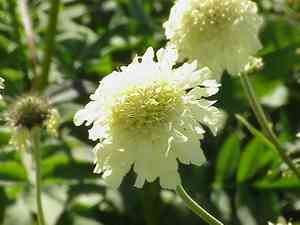
Lonicera prolifera, a deciduous climbing plant, is valued for its appealing leaves and fragrant flowers. For propagating Lonicera prolifera, semi-hardwood cuttings prove most successful. Acquire cuttings measuring 4-6 inches from vigorous, established plants during periods of active growth. Ensuring each cutting possesses a minimum of two to three nodes significantly boosts the likelihood of rooting. Submerging the severed end in rooting compound prior to insertion into a well-draining, damp soil blend can optimize results. Consistent misting aids in preserving humidity levels surrounding the cuttings, which is crucial for root formation. With diligent attention, these cuttings can establish strong root structures, facilitating effective propagation of Lonicera prolifera.
When Is the Optimal Time to Propagate Grape Honeysuckle?
Propagation Method
Cutting
Propagation Period
Spring,Summer
What Equipment Is Used for Grape Honeysuckle Propagation?
Sharp Pruning Shears
Crucial for taking cuttings from grape honeysuckle. Sharp blades ensure clean cuts without crushing plant tissues, which is vital for promoting healthy root development. Dull tools can harm the stem, leading to poor root initiation or disease entry.
Rooting Hormone
Boosts the probability of successful root development in grape honeysuckle cuttings. This product stimulates root growth at the cut site, enhancing survival rates and reducing the time required for rooting.
Sterile Potting Mix
Offers a clean, pathogen-free environment for grape honeysuckle cuttings to root. The mix's texture is typically light and airy, promoting oxygen circulation around new roots and lowering the risk of root rot.
Propagation Trays
Hold grape honeysuckle cuttings in the sterile potting mix and maintain suitable humidity levels. These trays often come with lids or can be covered with plastic to create a greenhouse effect, which helps maintain moisture and warmth around the cuttings.
Misting Bottle
Used to gently water grape honeysuckle cuttings, keeping humidity high without disturbing delicate new roots with heavy watering. Consistent misting helps prevent cuttings from drying out before roots are established.
How to Propagate Grape Honeysuckle?
Propagation Difficulty
Moderately Difficult
How to Care for Your Newly Propagated Grape Honeysuckle?
How to Care for Your Newly Propagated Grape Honeysuckle?
Following propagation, gradually acclimate new grape honeysuckle plants by exposing them to outdoor conditions for increasing durations daily. Once adapted, plant them in a location with full sun to partial shade and well-drained soil. Provide consistent water, especially during dry spells. Fertilize with a balanced, slow-release fertilizer in early spring. Prune as necessary to maintain shape and encourage new growth.
Common Errors to Avoid When Propagating Grape Honeysuckle
Ignoring root system sensitivity
When gardeners handle grape honeysuckle without recognizing the fragility of its root system, they can inadvertently damage the roots, which significantly hinders the plant's ability to establish and grow.
Overwatering cuttings
Cuttings of grape honeysuckle are susceptible to rot if exposed to excessive moisture. Overwatering can lead to fungal growth and decay, which can kill the cutting before it roots.
Using unsterilized tools
Propagation involves making cuts to the parent plant or cutting material, and using unsterilized tools can introduce pathogens. This error can result in infections that compromise the health and viability of grape honeysuckle.
Neglecting humidity for cuttings
Grape honeysuckle's cuttings require a humid environment to form roots effectively. Ignoring this can lead to desiccation and poor root development, impacting the overall success rate of propagation.
Planting at incorrect depth
Planting grape honeysuckle's cuttings or seedlings either too deep or too shallow can affect root establishment and plant health. Incorrect depths can also expose young plants to temperature extremes and pests.
Tips For Propagating Grape Honeysuckle
Moderate watering
Ensuring balanced soil moisture is crucial for grape honeysuckle. Water just enough to keep the soil moist but not waterlogged to prevent root rot and promote healthy root development.
Use of rooting hormone
Applying a rooting hormone to grape honeysuckle's cuttings can significantly enhance root growth and improve the chances of successful propagation.
Sterilize propagation tools
Before cutting or handling plant material, sterilize all tools to minimize the risk of infection. This simple step can greatly increase the success rate for propagating grape honeysuckle.
Create a humid environment
Use a transparent cover (like a plastic bag or a propagation dome) over grape honeysuckle cuttings to retain humidity and facilitate root formation without saturating the soil.
Proper planting technique
Plant grape honeysuckle's cuttings or seedlings at an appropriate depth to ensure that the plant establishes a robust root system while being protected from environmental stressors.



