How to Propagate Amur honeysuckle?
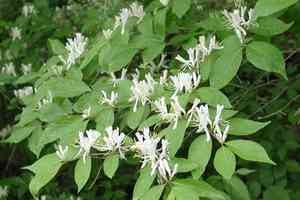
Amur honeysuckle readily reproduces via cutting and layering methods, with Fall and Winter representing the prime periods. Reproduction is typically straightforward, with fresh shoots and root formation serving as primary signs of successful propagation.
Optimal Period for Amur Honeysuckle Propagation
Method of Propagation
Cuttings
Propagation Period
Autumn,Winter
Tools Required for Amur Honeysuckle Propagation
Sharp, Clean Pruning Shears
These are vital for taking cuttings from amur honeysuckle. They ensure a clean cut, minimizing harm to both the parent plant and the cutting, thereby increasing the likelihood of successful rooting. Shears should be sanitized before use to prevent disease spread.
Rooting Hormone
This product stimulates root formation on amur honeysuckle cuttings. Applying a rooting hormone to the base of the cut stem can encourage faster and more dependable root growth compared to untreated cuttings.
Sterile Potting Mix
A sterile potting medium reduces the risk of soil-borne pathogens that could negatively impact the rooting process of amur honeysuckle. The mix should provide good drainage while retaining sufficient moisture to support the cuttings as they establish new roots.
Propagation Tray with Dome
A propagation tray offers a stable environment for amur honeysuckle cuttings. The dome maintains humidity, which is essential for preventing cuttings from drying out before they can develop roots.
Heating Mat
A heating mat placed beneath the propagation tray can encourage root growth by maintaining a consistent, warm temperature around the base of amur honeysuckle cuttings, particularly important in colder climates or seasons.
Misting Bottle or System
Regular misting provides the necessary humidity and moisture for amur honeysuckle cuttings to prevent desiccation. Misting also helps to clean leaves of dust and potential pathogens.
Post-Propagation Care for Your Amur Honeysuckle
Post-Propagation Care for Your Amur Honeysuckle
After successful propagation, gradually expose the rooted amur honeysuckle to more air to harden off the new growth. Transplant the plant to its permanent location, which should offer partial shade to full sun. Maintain consistent moisture as the plant establishes, but be careful not to overwater. Fertilize with a balanced, slow-release fertilizer according to the package instructions. Monitor for pests and diseases, and prune the plant annually to promote healthy growth and prevent it from becoming invasive.
Common Errors to Avoid When Propagating Amur Honeysuckle
Overwatering cuttings
When propagating amur honeysuckle from cuttings, gardeners often overwater them, believing this will promote growth. However, excessive moisture can lead to fungal infections and root rot, jeopardizing the cuttings' ability to develop strong roots.
Neglecting root stimulation
Failing to use a rooting hormone or similar stimulant can hinder root development. Amur honeysuckle cuttings benefit from this additional support to initiate root growth more effectively.
Poor cut selection
Using older or diseased wood for cuttings can negatively impact propagation success. It is crucial to select healthy and vigorous stems for the highest chances of rooting amur honeysuckle.
Ignoring pest control
Not managing pests during the early stages of propagation can lead to infestations that may damage or kill young amur honeysuckle plants. Pests can also spread diseases which are difficult to control on new plantings.
Inadequate lighting
Amur honeysuckle requires sufficient light for optimal root development. Too little light will discourage rooting, while too much direct sunlight can stress cuttings and cause dehydration.
Advice for Propagating Amur Honeysuckle
Appropriate moisture balancing
Maintain a consistent moisture level in the soil without oversaturating it. This balance is crucial for amur honeysuckle's successful root development.
Rooting hormone utilization
Applying a rooting hormone to the cut end of amur honeysuckle cuttings can notably enhance the rooting process, leading to quicker and more vigorous root growth.
Healthy stem selection
Ensure that cuttings are taken from healthy, disease-free, and vigorous parts of amur honeysuckle to maximize the potential for successful rooting and growth.
Pest monitoring
Regularly check for and manage pests during the early stages of amur honeysuckle propagation to prevent infestations that threaten plant health.
Optimal light condition
Place amur honeysuckle cuttings in a well-lit area with indirect sunlight to promote successful rooting. Direct sunlight should be avoided to reduce the risk of stress and water loss.



