How to Propagate Wild honeysuckles?
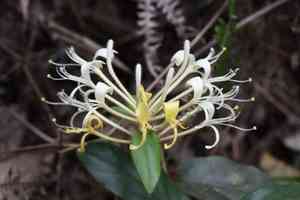
Originating from the Chinese territory, untamed honeysuckles are climbing bushes prized for their decorative appeal, especially their aromatic blossoms that draw in beneficial insects. Reproduce untamed honeysuckles by planting, making sure the seeds are new for the best sprouting. Get ready a proper growing medium, one that drains well yet holds moisture, to foster root expansion. Employing a greenhouse or regulated setting can boost the success rate, delivering consistent warmth and dampness. Following sprouting, carefully relocate the young plants, as untamed honeysuckles can be delicate in their initial developmental phases. Once rooted, untamed honeysuckles display vigorous growth and flourish with little upkeep.
Optimal Time for Wild Honeysuckles Propagation
Propagation Method
Seeding
Propagation Period
Spring
Tools for Wild Honeysuckles Propagation
Seed trays
Seed trays are perfect for sowing wild honeysuckles seeds, allowing for precise spacing and depth control, which are vital for consistent germination. Their divided structure helps maintain proper moisture and reduces fungal disease risk, especially beneficial for wild honeysuckles's initial development.
Fine-textured seed starting mix
This specialized soil provides excellent drainage and light fertilization to support wild honeysuckles's early growth. Its fine texture ensures close seed contact, promoting consistent moisture retention and better root development, crucial for successful wild honeysuckles germination.
Misting bottle
A misting bottle is used to gently water seeds without disturbing them. The fine mist keeps wild honeysuckles seeds moist without oversaturation, which is essential for preventing seed displacement and reducing mold or fungal infections.
Heat mat
Placing a heat mat under seed trays can significantly boost wild honeysuckles's germination rate by maintaining a steady soil temperature. This is particularly important for warmth-loving species like wild honeysuckles, enhancing germination and leading to more successful propagation.
Grow lights
If natural light is insufficient, grow lights can supply the necessary light spectrum to support wild honeysuckles's growth after germination. Proper lighting is crucial for developing strong, healthy seedlings by aiding photosynthesis.
Labeling sticks
Labeling sticks are used to mark trays or pots containing wild honeysuckles seeds, ensuring accurate identification and tracking of growth progress. This helps maintain specific care routines needed for different wild honeysuckles propagation stages.
How to Propagate Wild Honeysuckles?
Propagation Type
Simple
Caring for Newly Propagated Wild Honeysuckles
Caring for Newly Propagated Wild Honeysuckles
Once wild honeysuckles seedlings have emerged and developed a few true leaves, gradually acclimate them to outdoor conditions before transplanting to their permanent site. Ensure they are planted in well-drained soil with full sun or partial shade. Water regularly, especially during dry spells, and apply a balanced fertilizer during the growing season to encourage healthy growth. Pruning is minimal, typically for shaping or size control.
Common Propagation Mistakes for Wild Honeysuckles
Overwatering
Excessive watering can cause root rot in wild honeysuckles, which is harmful as it hinders the plant's ability to absorb nutrients and water, ultimately jeopardizing its survival.
Using unsterilized tools
Propagating with unsterilized tools can introduce pathogens to wild honeysuckles, leading to infections and disease spread that compromise propagation success.
Inadequate light
Insufficient light during propagation can result in wild honeysuckles developing weak, elongated growth, affecting the plant's overall health and vigor.
Wild Honeysuckles Propagation Tips
Proper hydration
Maintain balanced moisture levels when propagating wild honeysuckles, ensuring the soil is moist but not waterlogged to encourage healthy root development without causing rot.
Use of sterilized tools
Always use sterilized cutting tools to minimize the risk of infecting wild honeysuckles with diseases, promoting healthy and successful propagation.
Optimal lighting
Provide wild honeysuckles with bright, indirect sunlight during propagation to encourage vigorous growth and strengthen the newly developing plants.



