How to Propagate Honeysuckle?
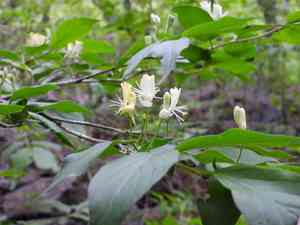
Lonicera, a deciduous woody plant, is recognized by its yellow, tube-shaped blossoms. It flourishes in soil that drains effectively and has adequate moisture. For propagation, taking cuttings from robust stems is an efficient method. Detach the bottom leaves, immerse the severed ends in a rooting stimulant, and embed them in a damp growing medium. Provide a humid and warm environment to encourage root development. Continue regular tending until the plants are well-rooted.
Optimal Period for Honeysuckle Propagation
Propagation Method
Cutting
Propagation Period
Autumn,Winter
Tools Required for Honeysuckle Propagation
Sharp Pruning Shears
Crucial for obtaining clean, precise cuttings from honeysuckle. They minimize harm to the parent plant and create a clean cut that promotes quicker root development.
Rooting Hormone
Helps stimulate root development on honeysuckle cuttings. Applying it to the cut end enhances root formation and boosts propagation success rates.
Propagation Tray
Offers a controlled environment for rooting honeysuckle cuttings. With individual sections, it aids in organizing multiple cuttings, ensuring each has ample space for root growth.
Humidity Dome
Maintains elevated humidity levels, vital for honeysuckle cuttings. It prevents dehydration and creates a micro-environment favorable for root development.
Sterile Potting Mix
Serves as the growing medium for honeysuckle cuttings. Sterility prevents infections and diseases, providing a healthy foundation for root growth.
Heat Mat
Positioned beneath propagation trays to supply consistent warmth to honeysuckle cuttings. This encourages root growth, especially during colder months.
Misting Bottle
Ensures honeysuckle cuttings receive regular moisture without becoming waterlogged. Helps maintain humidity and reduces stress on the cuttings.
Labels and Markers
Important for tracking honeysuckle cuttings and varieties. Clear labeling assists in managing and monitoring the progress of each cutting.
Honeysuckle Propagation Guide
Propagation Difficulty
Moderately Difficult
Post-Propagation Care for Honeysuckle
Post-Propagation Care for Honeysuckle
Following propagation, ensure honeysuckle receives consistent irrigation, especially during its establishment phase. Apply mulch around the base to retain moisture and suppress weeds. Prune regularly to shape the plant and encourage denser growth. Monitor for pests and diseases, taking necessary action to maintain honeysuckle's health. As the plant matures, it can endure occasional dry spells but will thrive with regular watering during extended dry periods.
Common Errors to Avoid During Honeysuckle Propagation
Overwatering
Excessive watering of honeysuckle can lead to root rot and fungal infections, hindering successful propagation.
Poor Soil Drainage
Using soil that drains inadequately can result in waterlogged roots, detrimental to honeysuckle's growth and establishment.
Incorrect Cutting Technique
Taking cuttings that are either too mature or too young can decrease the likelihood of successful rooting and establishment.
Inadequate Light
Placing honeysuckle cuttings in low light conditions can slow down the rooting process, as sufficient light is essential for photosynthesis and energy production.
Honeysuckle Propagation Advice
Well-Draining Soil
Utilize a well-draining soil mix to prevent waterlogging and ensure roots have access to oxygen.
Proper Watering
Water the cuttings lightly and consistently, avoiding both dehydration and over-saturation.
Use Healthy Cuttings
Select semi-hardwood cuttings from robust plants to increase the chances of successful rooting.
Sufficient Light
Provide bright, indirect light to promote strong root development and overall plant vitality.



