How to Propagate Perfoliate honeysuckle?
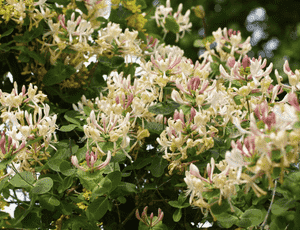
Lonicera caprifolium is best multiplied via stem sections. To enhance the likelihood of successful root development, select robust, partially matured stems. Execute a precise incision and detach the bottom foliage. Employing a rooting stimulant can encourage development, and placing the cutting in a substrate that drains efficiently aids in preventing decay. Maintain a moist atmosphere and ensure the cuttings are exposed to ample, diffused illumination. Regular attention will lead to fresh shoots, signifying successful multiplication.
Optimal Time for Perfoliate Honeysuckle Propagation
Propagation Method
Cutting
Propagation Period
Spring,Summer
Essential Tools for Perfoliate Honeysuckle Propagation
Pruning Shears
Pruning shears are vital for obtaining healthy cuttings from perfoliate honeysuckle. They enable the propagator to make clean, precise cuts, minimizing harm to the parent plant and boosting the likelihood of successful rooting in the cuttings. Shears should be sharp and disinfected before use to prevent disease spread.
Rooting Hormone
Rooting hormone can greatly improve the rooting success of perfoliate honeysuckle cuttings. By applying it to the cut end, it stimulates root growth and helps protect the cut tissue from fungal infections, increasing the chance of developing strong, healthy roots.
Propagation Mat
A propagation mat offers consistent warmth, which is crucial for the rooting of perfoliate honeysuckle cuttings. By maintaining a controlled temperature, the mat assists in the development of new roots, especially during colder months or in cooler climates.
Sterile Potting Mix
Using a sterile potting mix ensures that perfoliate honeysuckle cuttings have a clean, pathogen-free medium for rooting. This reduces the risk of soil-borne diseases affecting the delicate new roots and promotes healthier growth and development.
Humidity Dome
A humidity dome helps maintain high moisture levels around perfoliate honeysuckle cuttings, which is beneficial for preventing them from drying out before roots are established. Optimal humidity is crucial for enhancing the survival rate of new plants.
How to Propagate Perfoliate Honeysuckle?
Propagation Difficulty
Moderately Difficult
Caring for Your Newly Propagated Perfoliate Honeysuckle
Caring for Your Newly Propagated Perfoliate Honeysuckle
Once rooted, gradually acclimate the new perfoliate honeysuckle plants to less humid conditions if they were covered. When new growth appears, they can be moved to their permanent spot. Perfoliate honeysuckle prefers partial to full sun and well-drained soil. Water regularly, but avoid overwatering as perfoliate honeysuckle dislikes excessive moisture. Regular pruning helps maintain shape and encourages blooms.
Common Propagation Errors to Avoid with Perfoliate Honeysuckle
Overwatering cuttings
Excessive watering of perfoliate honeysuckle cuttings can lead to root rot and fungal issues, hindering rooting and potentially causing the cutting to fail.
Ignoring humidity levels
Perfoliate honeysuckle cuttings require specific humidity levels for successful rooting. Low humidity can cause them to dry out before roots form.
Using non-sterile tools
Propagation demands clean cuts to prevent disease transmission. Using unsterilized tools can introduce pathogens to perfoliate honeysuckle, compromising its health.
Tips For Propagating Perfoliate Honeysuckle
Use semi-hardwood cuttings
Semi-hardwood cuttings of perfoliate honeysuckle taken at the correct growth stage have a better chance of rooting. They should be neither too soft nor too woody.
Provide bottom heat
Maintaining consistent bottom heat can encourage faster and more successful root development for perfoliate honeysuckle cuttings.
Use rooting hormone
Applying a rooting hormone to the cut end of perfoliate honeysuckle cuttings can significantly improve rooting success rates.



