How to Propagate Perennial ryegrass?
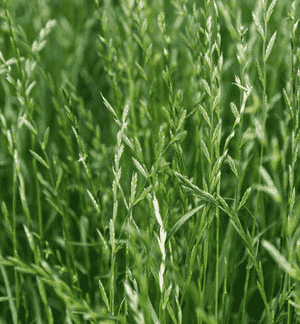
Perennial ryegrass is most effectively multiplied via separation, preferably in the Spring or Autumn periods. This procedure demands intermediate proficiency, and successful multiplication is evidenced by new, vigorous development. Carefully observe hydration levels for peak outcomes.
Optimal Period for Perennial Ryegrass Propagation
Propagation Method
Splitting
Propagation Season
Spring, Autumn
Tools Required for Perennial Ryegrass Propagation
Sharp Spade or Garden Fork
A keen spade or garden fork is vital for separating the dense root ball of perennial ryegrass. This implement enables the propagator to divide the plant into smaller portions with minimal root damage, which is critical for the new plants' establishment.
Root Pruning Shears
For thicker root masses, root pruning shears can be employed to cleanly sever the roots of perennial ryegrass. Precise cuts will heal more rapidly and encourage better growth in the divided sections.
Gardening Gloves
Gardening gloves safeguard the propagator's hands from sharp edges and coarse plant material. They also aid in securely handling perennial ryegrass, reducing the risk of crushing or harming the roots and foliage during division.
Watering Can or Hose with a Gentle Spray Attachment
Post-division, it's crucial to water perennial ryegrass immediately to lessen transplant shock. A watering can or hose fitted with a gentle spray attachment is ideal, as it ensures a soft water delivery that won't disturb the newly planted sections.
Soil Amendment Materials
Compost, peat, or other soil conditioners can improve soil structure and supply vital nutrients to perennial ryegrass after division. High-quality amendments foster root growth and help the new plants establish quickly.
Plant Labels and a Waterproof Marker
Utilizing plant labels and a waterproof marker to tag each divided section of perennial ryegrass ensures proper identification and tracking of growth progress, especially useful when propagating multiple varieties of perennial ryegrass with distinct characteristics.
How to Propagate Perennial Ryegrass?
Propagation Type
Division
Difficulty Level
Easy
How to Care for Your Newly Propagated Perennial Ryegrass?
How to Care for Your Newly Propagated Perennial Ryegrass?
Observe the recently planted perennial ryegrass for indications of stress and provide consistent watering, particularly during dry spells, to keep the soil moist but not saturated. Fertilize with a balanced, slow-release fertilizer based on soil test recommendations. Mow regularly to maintain a height of 2 to 3 inches, as this promotes dense growth and prevents weed invasion. Overseed any sparse areas in autumn for a lush turf.
Common Mistakes to Avoid When Propagating Perennial Ryegrass
Overcrowding
Excessive density can be problematic when sowing perennial ryegrass's seeds, as it restricts the availability of resources and space needed for proper germination and development. This can lead to poor root formation and weak plants more vulnerable to diseases and pests.
Improper soil preparation
Failing to adequately prepare the soil for perennial ryegrass can impede root growth and water drainage, which are essential for the establishment of healthy plants. Compacted or low-quality soil may result in waterlogging or insufficient aeration, hindering plant vigor.
Neglecting soil ph
Ignoring the soil pH when propagating perennial ryegrass can cause nutrient uptake issues. Perennial ryegrass thrives in a pH range typically between 5.5 and 7.0. Soil that is too acidic or alkaline can prevent the plant from absorbing crucial nutrients, impacting growth and yield.
Inadequate watering
Either excessive or insufficient watering of perennial ryegrass during the germination and early growth stages can significantly reduce propagation success. Too much water can lead to fungal infections, while too little can cause desiccation and poor establishment.
Tips For Propagating Perennial Ryegrass
Even seed distribution
Ensuring uniform seed dispersal over the planting area prevents overcrowding, allowing each perennial ryegrass plant ample room to establish roots and foliage without undue competition for water, nutrients, and light.
Soil quality and preparation
Preparing the planting site with nutrient-rich, well-draining soil helps perennial ryegrass to establish quickly. Tilling the soil and incorporating organic matter can enhance structure, nutrient content, and water retention capabilities.
Consistent moisture
Maintaining steady soil moisture during the germination and establishment phases of perennial ryegrass helps prevent the soil from drying out or becoming waterlogged, both of which can impede seedling development.
Pest and weed control
Keeping the area free from weeds and monitoring for pest infestations are crucial for the successful propagation of perennial ryegrass. Weeds compete for resources, while pests can cause significant damage to young plants.



