How to Propagate Tall Fescue?
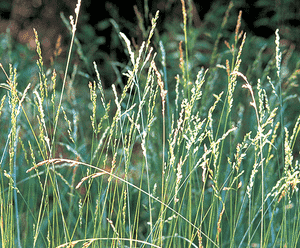
Tall Fescue multiplies most effectively via separation during spring or fall. This method is relatively straightforward, and successful propagation is evident through vigorous new development. Provide sufficient hydration and room for roots to flourish for the best outcome.
What Is the Best Time To Propagate Tall Fescue?
Propagation Type
Splitting
Propagation Season
Spring, Fall
What Tools Are Used in Tall Fescue Propagation?
Garden Spade
A garden spade featuring a sharp, flat edge is essential for separating tall Fescue clumps. This tool should be used to cut through the soil and root mass, effectively dividing the plant into smaller portions. Its keen edge ensures a clean cut, minimizing root damage, which is vital for the health of tall Fescue during the division process.
Root Pruning Shears
Root pruning shears are designed to trim roots without causing excessive stress or harm. When dividing tall Fescue, they are employed to cut through thicker roots that a spade cannot manage. Sharp, clean cuts help prevent disease and encourage rapid recovery and growth post-division.
Dibber or Planting Stick
Following division, a dibber or planting stick assists in creating appropriately sized holes in the planting medium or soil for the newly separated tall Fescue sections. It ensures the divided plants are positioned at the correct depth, fostering improved root development and establishment in their new location.
Watering Can with a Fine Rose
Immediately after division and transplantation, a watering can equipped with a fine rose attachment delivers a gentle water flow, necessary for rehydrating tall Fescue without disturbing the soil or newly planted divisions. Sufficient water aids their recovery from transplant shock and helps them establish in the new site.
Mycorrhizal Fungi Inoculant
Specifically for tall Fescue, a mycorrhizal fungi inoculant is applied when replanting divided sections to encourage beneficial relationships between the fungi and plant roots. This improves nutrient and water absorption, which is particularly advantageous for the establishment and growth of divided tall Fescue plants.
How to Propagate Tall Fescue?
Propagation Type
Splitting
Difficulty Level
Simple
How to Care for Your Newly Propagated Tall Fescue?
How to Care for Your Newly Propagated Tall Fescue?
Provide consistent moisture to the newly divided tall Fescue, but avoid overwatering, as this can lead to fungal issues. Place the container or plant the divisions in a location that mimics the parent plant's growing conditions, including access to full sun or partial shade. Fertilize lightly with a balanced fertilizer to encourage new growth, and, once established, maintain a routine of regular watering and annual fertilization to support the plant's health and vigor. Over time, tall Fescue can adapt to various soil conditions, but well-aerated soil that doesn't remain soggy will yield the best results. Mow or trim tall Fescue as needed to maintain its appearance and encourage denser growth.
Common Mistakes to Avoid When Propagating Tall Fescue
Overwatering
Excessive watering can lead to root rot and fungal diseases, hindering root development and overall health of tall Fescue. It can also discourage deep root growth, which is crucial for tall Fescue's drought resistance.
Insufficient soil preparation
Failure to adequately prepare the soil before planting can result in poor seed-to-soil contact and impede germination. Compacted soil or the presence of weeds can also negatively impact tall Fescue establishment and growth.
Incorrect mowing height
Mowing tall Fescue too short can stress the plants, making them more vulnerable to pests and diseases. It also reduces the plant's ability to photosynthesize, which is critical for its growth and vigor.
Ignoring soil fertility
Not testing the soil and adjusting fertility according to tall Fescue's needs can lead to poor establishment, weak growth, and increased susceptibility to stress and disease.
Planting depth inconsistency
Planting tall Fescue seeds too deep or too shallow affects germination rates and seedling development. Seeds covered by too much soil may not germinate, while those on the surface may dry out or be eaten by birds.
Tips For Propagating Tall Fescue
Proper seeding rate
Using the appropriate seeding rate for tall Fescue is crucial. Too few seeds can result in thin stands, while too many seeds can cause overcrowding, which can lead to disease and poor establishment.
Seed-to-soil contact
Ensuring good seed-to-soil contact is vital for germination. Gentle raking of the soil after seeding helps achieve this contact, leading to better germination and stronger seedling development.
Gradual mowing height reduction
Start mowing tall Fescue at a higher height and gradually lower it to the recommended height. This allows the tall Fescue to establish a strong root system while minimizing stress on the plants.
Adequate watering practices
Water tall Fescue deeply but infrequently to promote root growth downwards. Consistent moisture is important, especially during establishment, but avoid waterlogging the soil.
Soil test and amendment
Performing a soil test and amending the soil based on its nutrient composition fosters a better growing environment for tall Fescue. Proper levels of nitrogen, phosphorus, and potassium are necessary for healthy growth.



