How to Propagate Edging lobelia?
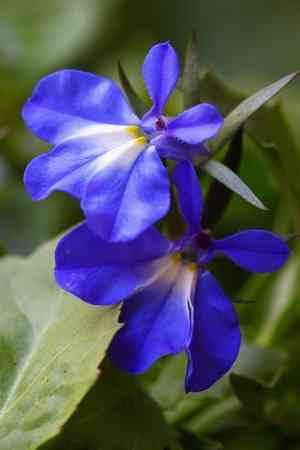
For edging lobelia, the most effective propagation technique involves planting seeds during the springtime. This particular plant is quite straightforward to multiply, and successful reproduction is evident through robust seedling development. To achieve optimal results, ensure a warm environment and steady hydration.
When Is the Optimal Time to Propagate Edging Lobelia?
Propagation Method
Seeding
Propagation Period
Spring
What Equipment Is Used for Edging Lobelia Propagation?
Seedling Trays
These shallow containers are divided into cells, allowing individual edging lobelia seeds to be sown and observed without disruption. Their design promotes proper drainage and air circulation, fostering an ideal environment for seed germination.
Peat Pots
Peat pots are biodegradable containers especially useful for reducing root disturbance during transplanting. As edging lobelia can be sensitive to transplant shock, peat pots enable planting the entire pot into the soil, avoiding direct root handling.
Sterile Potting Mix
Employing a sterile, soilless potting mix ensures that edging lobelia seeds are not exposed to pathogens or pests from the outset. This medium offers a clean, controlled environment conducive to seed germination and early root growth.
Misting Bottle
A misting bottle precisely regulates moisture levels when watering edging lobelia seedlings. Over-watering can be harmful; thus, a misting bottle allows for gentle water application, keeping seeds and seedlings hydrated without becoming waterlogged.
Grow Lights
Edging lobelia requires ample light for successful germination and initial development. Grow lights can supplement natural sunlight, providing consistent illumination even in suboptimal conditions or during seasons with limited light availability.
Heat Mat
Some propagators utilize heat mats beneath seedling trays to maintain a consistent temperature, which benefits edging lobelia that need warmth for optimal germination rates.
Propagator with a Humidity Dome
This device manages the humidity and temperature surrounding edging lobelia seeds, creating a microenvironment that can accelerate germination and support young seedling growth by preventing the air around the seeds from becoming too dry.
How to Propagate Edging Lobelia?
Propagation Method
Seeding
Difficulty Level
Easy
How to Care for Your Newly Propagated Edging Lobelia?
How to Care for Your Newly Propagated Edging Lobelia?
After propagation, care for edging lobelia involves providing a sunny to partially shaded spot with well-draining soil. Water edging lobelia regularly to maintain moisture but prevent waterlogging. Fertilize with a balanced, liquid feed every 4-6 weeks during the growing season. Remove spent flowers to encourage bushier growth and more blooms. Protect edging lobelia from extreme temperatures and check for pests and diseases. Edging lobelia is typically grown as an annual, surviving one growing season in most climates, though it may persist as a perennial in frost-free areas.
Common Errors to Avoid When Propagating Edging Lobelia
Overwatering
Excessive watering can cause root rot in edging lobelia, a plant that prefers well-drained soil. Too much moisture around the roots can suffocate them, hinder proper growth, and increase the risk of fungal diseases.
Deep sowing
Planting edging lobelia seeds too deeply can impede germination as they need light to sprout effectively. Seeds buried too far in the soil may not receive the necessary light exposure.
Ignoring humidity
Failing to maintain adequate humidity levels can be detrimental for edging lobelia cuttings. Without sufficient humidity, cuttings may struggle to develop roots as they can quickly lose moisture through their leaves.
Overcrowding
Planting edging lobelia seeds or cuttings too close together can restrict airflow and lead to fungal infections. It also creates competition for nutrients and light, hindering healthy development.
Neglecting cleanliness
Using uncleaned tools or containers can introduce pathogens to edging lobelia cuttings or seeds, resulting in disease and poor propagation outcomes.
Tips For Propagating Edging Lobelia
Surface sowing
Surface sowing edging lobelia seeds is crucial for successful germination. Scattering seeds on the soil surface where they can receive ample light promotes uniform sprouting.
Moderate watering
Provide edging lobelia with consistent, moderate watering to keep the soil moist but not saturated. Ensuring well-draining soil will support root development without causing decay.
Humidity control
Creating a humidity dome or using a propagator can provide edging lobelia cuttings with the high humidity they need to root successfully. This helps prevent the delicate cuttings from drying out.
Spacing
Ensure that edging lobelia seeds and cuttings are adequately spaced to maintain good air circulation and prevent fungal diseases. Proper spacing also allows for unrestricted growth and access to nutrients.
Hygiene practices
Sterilize all tools and containers before propagating edging lobelia to minimize the risk of disease transmission. Using fresh, sterile growing media also aids in establishing disease-free plants.



