How to Propagate Truncate living stone?
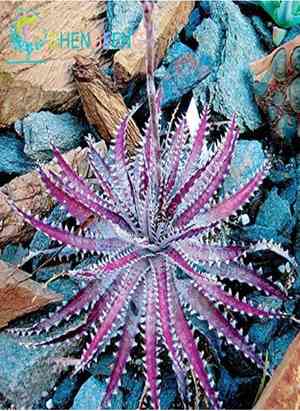
The most suitable period for propagating truncate living stone is during the Spring season, by means of seeding. This propagation method is quite straightforward, with the appearance of new leaf sets signifying successful development. Guarantee a growing medium that drains effectively and refrain from excessive watering to foster robust growth.
Optimal Time for Truncate Living Stone Propagation
Propagation Method
Seeding
Propagation Period
Spring
Tools Required for Truncate Living Stone Propagation
Sterile Potting Mix
Ensures a clean growth medium free of disease-causing agents that could harm truncate living stone. This substrate should drain well and imitate truncate living stone's natural environment, offering an ideal balance of moisture and air for healthy root growth during seed germination.
Small Seeds Tray or Pots
Provides a controlled setting for planting truncate living stone seeds. The dimensions should be suitable for the tiny size of truncate living stone seeds, allowing room for initial development without crowding. Its shallow depth aids in maintaining proper soil moisture levels.
Fine Sand or Grit
Used to cover truncate living stone seeds, which need light to sprout. A thin layer of sand or grit allows light to penetrate and helps secure the seeds, reducing the chance of them being dislodged by watering or air movement.
Misting Bottle
Enables gentle watering that will not disturb or expose truncate living stone seeds. Misting provides the moisture needed for germination without over-saturating the soil, which could lead to rot or fungal issues in the delicate seedlings.
Tweezers
Assists in the handling and precise placement of truncate living stone's minuscule seeds. This helps in evenly distributing the seeds in the propagation tray and prevents damage, which could easily occur with fingers due to the seeds' tiny size.
Plastic Wrap or Propagation Dome
Creates a miniature greenhouse effect, maintaining high humidity levels around the truncate living stone seeds, which is vital for successful germination. The regulated environment also keeps the seeds warm, ensuring consistent soil temperature.
Grow Lights (Optional)
Offers an supplementary light source if natural light conditions are insufficient. For truncate living stone, which demands ample light to germinate and grow, artificial grow lights can provide the correct light spectrum and intensity required for robust development.
Heating Mat (Optional)
Provides warmth from below that can encourage faster germination of truncate living stone seeds, especially in cooler climates. Consistent, gentle warmth from beneath optimizes the soil temperature, enhancing the overall propagation success rate.
How to Propagate Truncate Living Stone?
Propagation Type
Seeding
Difficulty Level
Easy
Caring for Your Newly Propagated Truncate Living Stone
Caring for Your Newly Propagated Truncate Living Stone
After propagation, young truncate living stone plants require careful attention. Place them in a bright location with indirect sunlight and maintain a consistent temperature range of 18-24°C. Water sparingly, only when the soil is completely dry, as overwatering is a common cause of rot with truncate living stone. During the active growth periods (spring and autumn), water them every two to three weeks. During the summer, their dormant phase, reduce watering frequency. Fertilize lightly with a cactus fertilizer once at the start of the growing season. Repot only when the plant has outgrown its current container, typically every few years.
Common Mistakes to Avoid When Propagating Truncate Living Stone
Overwatering
Watering truncate living stone too often is a mistake that leads to decay. Truncate living stone stores water in its leaves and needs less frequent watering compared to other plants. Excessive watering can cause root rot, ultimately killing the plant.
Using incorrect soil
Planting truncate living stone in standard potting soil can cause water retention and lead to rot. Truncate living stone requires a well-draining soil mix that mimics its natural arid habitat to prevent water from accumulating around its roots.
Deep planting
Planting truncate living stone too deeply can cause the lower leaves to rot. Truncate living stone has a shallow root system and benefits from being planted close to the soil surface.
Tips For Propagating Truncate Living Stone
Leaf removal technique
Gently twist a healthy leaf from truncate living stone to ensure a clean break for propagation. Avoid damaging the parent plant and ensure the entire leaf is removed.
Allowing callus formation
After leaf removal, allow the leaf of truncate living stone to dry and form a callus for several days before placing on well-draining soil. This helps prevent rot and encourages root formation.
Watering technique
Water the propagated leaves of truncate living stone sparingly and only when the soil is completely dry. Use a fine mist to avoid overwatering which can deter root growth and cause decay.



