How to Propagate Smallflower woodland star?
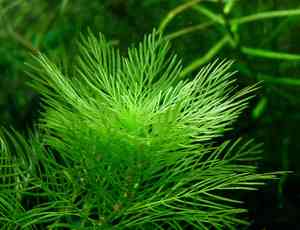
Smallflower woodland star flourishes when reproduced through seeding. For successful cultivation, employ a well-draining substrate, preferably amended with organic compost to offer nutrient-dense surroundings. Disperse the seeds sparsely to avert congestion and lightly blanket them with soil to enable appropriate light penetration. Consistent, moderate irrigation fosters robust seed sprouting and root formation, yet prevent excessive saturation. Delicate handling of young shoots is vital during their establishment, balancing hydration with air circulation.
Optimal Time for Smallflower Woodland Star Propagation
Propagation Method
Seeding
Propagation Period
Spring
Tools for Smallflower Woodland Star Propagation
Seed trays
Seed trays offer an organized space for uniformly sowing and efficiently monitoring smallflower woodland star seeds. This is vital for maintaining proper spacing and depth for consistent germination, ensuring each seed has ample room to grow without competition.
Fine-grained soil mix
A fine-textured, well-draining soil blend is ideal for germinating smallflower woodland star seeds. It supports proper air and water flow, essential for root development, and prevents waterlogging that could cause seed rot.
Spray bottle or misting system
A spray bottle or misting system allows for gentle watering that won't disturb the tiny smallflower woodland star seeds. It helps maintain optimal soil moisture, crucial for germination, while minimizing the risk of washing away or burying seeds too deeply.
Grow lights or a shaded greenhouse area
Smallflower woodland star generally prefers shaded conditions during its initial growth phases. Using grow lights (for indoor propagation) or a shaded greenhouse area provides light control, mimicking the plant's natural understory habitat. This creates ideal conditions for germination and young plant development.
Labeling tags
Labeling tags are important for recording the sowing date and any specific care needs or observations about smallflower woodland star's growth. This helps track propagation progress and implement timely care, promoting healthier development.
How to Propagate Smallflower Woodland Star?
Propagation Difficulty
Simple
Caring for Your Newly Propagated Smallflower Woodland Star
Caring for Your Newly Propagated Smallflower Woodland Star?
After propagation, smallflower woodland star should be gradually introduced to outdoor conditions if initially grown indoors. Ensure the plant is placed in a location with partial shade and well-draining soil. Water regularly to keep the soil moist, especially during dry spells, but avoid overwatering. Fertilization is generally not needed. Monitor for pests and diseases, though smallflower woodland star is typically low-maintenance. Allow the plant to grow undisturbed, and it will eventually form a natural clump through self-seeding.
Common Propagation Errors for Smallflower Woodland Star
Overwatering
Excessive watering of smallflower woodland star can lead to root rot and fungal infections, which reduce plant health and propagation success.
Deep planting
Planting smallflower woodland star too deeply can hinder proper rhizome development, impeding growth and propagation.
Excessive handling
Frequent disturbance of smallflower woodland star's roots or rhizomes during propagation can damage delicate tissues, affecting the plant's ability to establish itself.
Tips for Propagating Smallflower Woodland Star
Use healthy parent plants
Starting with robust parent plants ensures strong cuttings or divisions that have a better chance of thriving and successful propagation.
Moderate moisture
Maintaining balanced soil moisture is vital for smallflower woodland star. The soil should be moist but not waterlogged to prevent root diseases.
Provide shade
Smallflower woodland star thrives in partially shaded conditions, especially during propagation. Direct sunlight can stress young plants and impair growth.



