How to Propagate Creeping lilyturf?
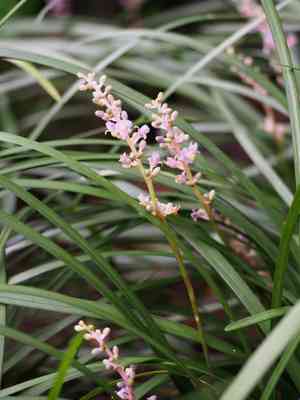
Liriope spicata flourishes when multiplied via separation, preferably performed in cooler seasons to minimize strain. To achieve successful multiplication, gently divide the root masses, making sure every new portion possesses sufficient roots. Promptly re-establish these separated sections in damp, adequately draining earth. This technique encourages vigorous development, aiding the expansion of Liriope spicata in your landscape while preserving the plant's vitality and strength.
Optimal Period for Creeping Lilyturf Propagation
Propagation Method
Separation
Propagation Period
Spring,Autumn
Tools Required for Creeping Lilyturf Propagation
Garden Fork
A garden fork is vital for separating creeping lilyturf, enabling the cultivator to gently lift root masses from the earth without causing undue harm. Its tines are ideal for loosening soil and carefully detangling roots, which is essential for successful division and minimal stress to creeping lilyturf.
Sharp Knife or Secateurs
These implements are utilized to cleanly sever the root sections of creeping lilyturf. A sharp knife or secateurs ensure cuts are neat and precise, lowering disease risk and promoting faster healing and regrowth. This is especially important as creeping lilyturf possesses dense, fibrous roots that demand sharp tools for effective splitting.
Watering Can with a Fine Rose
Following creeping lilyturf propagation, it's crucial to ensure newly planted divisions receive ample water. A watering can with a fine rose attachment delivers gentle, even hydration, vital for helping new creeping lilyturf divisions establish a robust root system without eroding soil or disturbing placement.
Garden Gloves
Handling creeping lilyturf during division can be harsh on hands due to its tough, fibrous roots. Garden gloves shield hands from cuts and dirt, while also offering a better grip on slick roots and soil.
Spade
A spade is initially employed to dig around creeping lilyturf to facilitate lifting the entire clump for division. Its flat, sharp edge is perfect for cutting through soil and roots, making it simpler to access and lift the plant with minimal root disturbance.
Method for Propagating Creeping Lilyturf
Propagation Type
Simple
Post-Propagation Care for Your Creeping Lilyturf
Post-Propagation Care for Your Creeping Lilyturf
After propagation, maintain consistent moisture in the soil around creeping lilyturf, avoiding waterlogging, particularly during dry spells. Apply mulch around the base to help retain moisture, suppress weeds, and provide nutrients as it breaks down. Creeping lilyturf tolerates various light conditions from full sun to shade but prefers partial shade in warmer climates. Monitor for pests and diseases, though creeping lilyturf is generally hardy if planted in suitable conditions. Fertilize annually with a balanced fertilizer to encourage vigorous growth and enhance flowering potential.
Common Errors to Avoid When Propagating Creeping Lilyturf
Overwatering
Excessive irrigation can lead to root rot, as creeping lilyturf's root system thrives in well-drained conditions. Saturated soil hinders proper root development, diminishing the plant's ability to establish and grow after propagation.
Deep Planting
Placing divisions or cuttings of creeping lilyturf too deeply can prevent them from receiving sufficient oxygen, which is critical for root initiation and growth. Deep planting can also cause the plant's base to decay.
Ignoring Plant Division Size
Taking overly small divisions from the parent creeping lilyturf can result in inadequate root systems, leading to poor establishment and growth. Conversely, very large divisions might experience shock and struggle to adapt to new environments.
Neglecting Soil Preparation
Failing to prepare a soil mix that emulates creeping lilyturf's natural growing conditions can impede its growth. Creeping lilyturf requires a well-draining soil mixture to flourish, and unsuitable soil can compromise root health.
Advice for Propagating Creeping Lilyturf
Correct Division Technique
Utilize a sharp knife or spade to divide creeping lilyturf's root clump, ensuring each division possesses several shoots and a robust root system. This increases the probability of successful establishment.
Appropriate Soil Mixture
Prepare a potting mix with good drainage for creeping lilyturf, blending garden soil with sand and organic compost to supply the necessary nutrients and aeration.
Sufficient Watering
Water creeping lilyturf thoroughly after planting, then reduce watering to maintain moist but not soggy soil. Ensuring proper soil moisture without overwatering is vital for successful root development.
Shade for Freshly Propagated Plants
Provide light shade for newly propagated creeping lilyturf plants to lessen stress and prevent excessive moisture loss from the soil, which supports better root establishment.



