How to Propagate Chinese tulip tree?
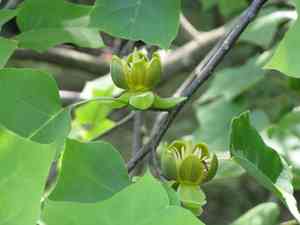
The Asian ornamental tree, Chinese tulip tree, prospers in rich, adequately drained earth, generally flourishing in direct sunlight or dappled light. For reproduction, semi-hardwood sections are recommended. Submerge the cutting's base in a rooting compound prior to embedding it in a potting substrate to stimulate development. Sustained humidity and warmth facilitate the rooting procedure. Careful handling of these sections guarantees a greater likelihood of successfully growing Chinese tulip tree young plants.
Optimal Period for Chinese Tulip Tree Propagation
Propagation Method
Cutting
Propagation Period
Autumn,Winter
Tools Required for Chinese Tulip Tree Propagation
Sharp Pruning Shears
Crucial for taking cuttings from chinese tulip tree, sharp pruning shears enable a clean, precise cut, minimizing harm to the parent plant and enhancing the cutting's health and viability. A clean cut helps prevent infection and promotes faster root development in the cutting.
Rooting Hormone Powder or Gel
This substance aids in stimulating root development on chinese tulip tree cuttings. By dipping the cutting's base into rooting hormone, the likelihood of successful rooting significantly increases, fostering stronger and more resilient root growth.
Sterile Potting Mix
A high-quality sterile potting mix offers an ideal environment for new roots to form. For chinese tulip tree, a mix that provides excellent drainage yet retains sufficient moisture is beneficial to support initial root growth without the risk of waterlogging or moisture-related diseases.
Propagation Tray with Humidity Dome
These trays help maintain a consistent and optimal micro-environment around chinese tulip tree cuttings. The humidity dome assists in keeping the air around the cuttings moist, which is vital in preventing the delicate cuttings from drying out before they establish roots.
How to Propagate Chinese Tulip Tree?
Propagation Type
Moderately Difficult
How to Care for Your Newly Propagated Chinese Tulip Tree?
How to Care for Your Newly Propagated Chinese Tulip Tree?
Post-propagation, gradually introduce chinese tulip tree to less humid conditions by removing the plastic cover for increasing durations. Ensure chinese tulip tree receives adequate water, especially during dry spells, but avoid overwatering. Position chinese tulip tree in a spot that gets full sun to partial shade. As chinese tulip tree matures, apply a balanced fertilizer during the growing season to support healthy development. Regular pruning is not essential but can be done to shape the tree or remove any dead or damaged branches.
Common Errors to Avoid When Propagating Chinese Tulip Tree
Neglecting humidity requirements
Cuttings of chinese tulip tree may fail to root if the surrounding humidity is too low, leading to desiccation and poor plant health.
Overwatering cuttings
Excessive water can cause rot in chinese tulip tree's cuttings, which hinders root formation and can destroy the propagule.
Using non-sterile tools and media
Propagation failure can occur due to disease transmission when using contaminated tools or growth mediums.
Cutting incorrect stem portions
Using non-vigorous or diseased stem sections for cuttings can result in poor rooting and growth.
Tips For Propagating Chinese Tulip Tree
Maintain adequate humidity
Enclose cuttings of chinese tulip tree in a humidity dome or plastic bag to create a moist environment conducive to rooting.
Ensure proper watering
Water chinese tulip tree's cuttings just enough to keep the medium moist but not saturated, preventing rot.
Use sterile equipment
Sterilize cutting tools and use fresh, sterile potting mix to avoid infections that could compromise chinese tulip tree's growth.
Select healthy stem sections
Choose vigorous, disease-free stems for cuttings to improve the chances of successful rooting and healthy development.



