How to Propagate Northern spicebush?
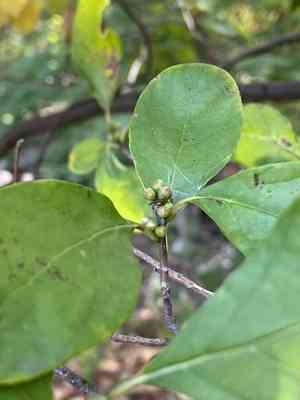
Northern spicebush is most effectively propagated in the fall and winter, primarily utilizing techniques such as cuttings and layering. This process presents a moderate level of difficulty, with indicators of success being the emergence of new shoots and root development. Optimal outcomes are achieved by maintaining appropriate humidity levels and temperatures.
Optimal Period for Northern Spicebush Propagation
Propagation Method
Cutting
Propagation Season
Autumn,Winter
Tools Required for Northern Spicebush Propagation
Sharp pruning shears
These are vital for obtaining clean, healthy cuttings from northern spicebush, which can enhance the likelihood of successful root formation. Shears that make precise cuts without crushing stems are especially beneficial, as they minimize damage and lower the risk of disease transmission.
Rooting hormone powder or gel
This substance promotes root development from northern spicebush cuttings, increasing the probability of successful propagation. It contains hormones that stimulate root cell growth, which is particularly advantageous for hardwood cuttings that may root more slowly.
Sterilizing agent (e.g., alcohol, bleach solution)
Used to sanitize cutting tools and containers, it prevents the spread of pathogens and ensures the propagation environment for northern spicebush is as sterile as possible, which is crucial for the health of the cuttings.
Well-draining propagation medium
A suitable substrate, such as a blend of peat and perlite, offers the correct balance of moisture and air pockets for northern spicebush cuttings. This helps prevent rot and supports the establishment of a robust root system.
Propagation tray with dome or clear plastic bag
These create a high-humidity atmosphere around northern spicebush cuttings, which aids in maintaining leaf turgor during the critical phase of root development. The enclosure also reduces water loss, which can be particularly important for this species.
Heat mat
Optional, but placing a heat mat beneath the propagation tray can boost root growth by providing consistent bottom warmth, which can be advantageous during cooler growing seasons or in colder climates.
Post-Propagation Care for Your Northern Spicebush
Post-Propagation Care for Your Northern Spicebush
Once the northern spicebush cutting has developed roots, gradually introduce it to ambient conditions by removing the humidity cover over several days. Transplant it into a larger container with standard potting soil. Position northern spicebush in an area receiving partial shade to full sun, and water regularly to keep the soil moist but well-drained. Apply mulch around the base to help retain moisture and provide winter protection. Fertilize sparingly in its first year to allow the new system to strengthen naturally.
Common Errors to Avoid When Propagating Northern Spicebush
Insufficient preparation
Not thoroughly researching northern spicebush's propagation needs can lead to using unsuitable methods, resulting in poor germination or root development.
Overwatering
Excessive watering during propagation can cause root rot, significantly decreasing the chances of successful establishment for northern spicebush.
Neglecting humidity
Ignoring the humidity requirements of northern spicebush when rooting cuttings can lead to desiccation and failure to root.
Improper cutting selection
Choosing non-viable or diseased branches for northern spicebush cuttings can hinder rooting or transmit diseases to new plants.
Planting depth error
Planting northern spicebush seeds or cuttings too deep can prevent germination or rooting due to insufficient aeration.
Overlooking cleanliness
Failing to use sterilized tools and containers can introduce pathogens to northern spicebush, affecting its propagation success.
Tips For Propagating Northern Spicebush
Research propagation methods
Understanding the specific techniques suitable for northern spicebush, such as using stratified seeds or semi-hardwood cuttings, increases the likelihood of propagation success.
Water management
Carefully monitoring moisture levels when propagating northern spicebush ensures the plant has adequate water without risking root rot.
Humidity control
Maintaining appropriate humidity, especially when rooting northern spicebush cuttings, is vital for successful root development.
Healthy cutting selection
Choosing healthy, disease-free branches for cuttings ensures vigorous growth of northern spicebush and prevents disease spread.
Appropriate planting depth
Northern spicebush seeds and cuttings should be planted at the correct depth to provide the right balance of aeration and moisture.
Sanitation practices
Using clean, sterilized tools and containers helps prevent diseases and promotes healthy growth in propagated northern spicebush.



