How to Propagate Moroccan toadflax?
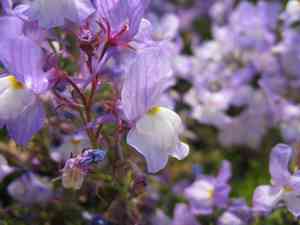
Moroccan toadflax flourishes when reproduced by seeding. For peak development, it is essential to employ a growing medium that drains effectively and to sustain steady hydration without saturating the soil. Disperse the seeds directly in their intended spot, as moroccan toadflax performs optimally when spared the shock of relocation. A light layer of earth atop the seeds offers the ideal conditions for sprouting. Confirm they acquire ample illumination, which fosters robust expansion.
Optimal Period for Moroccan Toadflax Propagation
Propagation Method
Seeding
Propagation Period
Spring
Equipment for Moroccan Toadflax Propagation
Seed trays
Seed trays are perfect for planting moroccan toadflax seeds, allowing for even seed distribution and efficient space utilization. These trays help maintain proper moisture and warmth, vital for moroccan toadflax germination. Their compartmentalized design also prevents root disruption during later transplanting.
Peat pellets
Peat pellets are compressed peat that expand when hydrated, forming a self-contained growing medium. For moroccan toadflax, which is sensitive to root disturbance, peat pellets are advantageous as they can be directly planted into the soil without removing the plant, thereby minimizing transplant shock.
Fine mist sprayer
A fine mist sprayer is crucial for gently watering moroccan toadflax seeds without dislodging them. Consistent moisture is essential for germination, and the fine mist ensures the soil is damp but not saturated, promoting healthier seed development.
Grow lights
Grow lights are beneficial if propagating moroccan toadflax indoors or in low-light environments. These lights ensure seedlings receive sufficient illumination, which is vital for moroccan toadflax growth and development. Adequate lighting is crucial for preventing stretched growth and encouraging robust, compact plants.
Thermometer and humidity gauge
These instruments monitor the environmental conditions surrounding moroccan toadflax seedlings. Maintaining ideal temperature and humidity levels is critical for successful moroccan toadflax germination and growth. These devices aid in adjusting conditions to meet the plant's specific needs during its early stages.
Steps to Propagate Moroccan Toadflax
Propagation Type
Simple
Post-Propagation Care for Moroccan Toadflax
Post-Propagation Care for Moroccan Toadflax
Following propagation, ensure moroccan toadflax continues to receive ample sunlight and maintain soil moisture without overwatering. Remove spent flowers to encourage further blooming. Moroccan toadflax typically doesn't need extra fertilizer if grown in rich soil. Be watchful for potential pests like aphids and address any infestations promptly to preserve plant health.
Common Errors to Avoid When Propagating Moroccan Toadflax
Overwatering
Excessive water can lead to root rot in moroccan toadflax, which prefers well-drained soil. Too much moisture can also reduce germination rates and increase fungal diseases.
Deep sowing
Moroccan toadflax seeds require light for germination. Buried too deeply, they may fail to sprout, leading to poor propagation outcomes.
Overcrowding
Planting moroccan toadflax seeds too close together can hinder their growth due to limited resources like light and nutrients. This overcrowding can also encourage the spread of pests and diseases.
Advice for Propagating Moroccan Toadflax
Surface sowing
Since moroccan toadflax needs light to germinate, scatter the seeds on the soil surface and gently press them in without covering them with soil. This maximizes light exposure and improves germination rates.
Adequate spacing
Ensure moroccan toadflax seeds or seedlings are properly spaced. This promotes sufficient air circulation and access to sunlight, reducing competition and boosting growth and flowering.
Moderate watering
Maintain moist, but not saturated, soil conditions when propagating moroccan toadflax. Use a spray bottle to lightly mist the soil, preventing the delicate seeds from being disturbed.



