How to Propagate Dwarf ambulia?
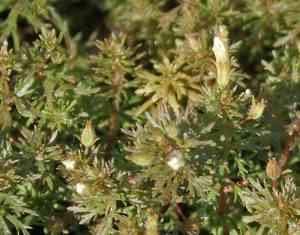
Dwarf ambulia is successfully multiplied through the stem cutting technique. To achieve dependable outcomes, choose vigorous stem sections and embed them in appropriate aquatic soil or substrate. Verify that these cuttings obtain sufficient illumination and water-borne nutrients to foster strong development. Consistent trimming not only preserves the plant's preferred dimensions but also stimulates more abundant, thicker growth by encouraging fresh stem emergence from the plant's base.
When Is the Best Time to Propagate Dwarf Ambulia?
Propagation Type
Cutting
Propagation Season
Spring,Summer
What Tools Are Used for Dwarf Ambulia Propagation?
Sharp scissors or pruning shears
These implements are crucial for making precise cuts on dwarf ambulia stems. A clean cut helps prevent tissue damage, promoting quicker healing and root formation. Sharp tools ensure cuts are smooth, which is vital for efficient water absorption by cuttings.
Rooting hormone
This chemical compound encourages root development from dwarf ambulia cuttings. Applying rooting hormone to the freshly cut stem end can significantly boost the success rate by fostering faster, stronger root growth, thus ensuring higher survival during propagation.
Propagation tray
A shallow tray with drainage holes is perfect for planting dwarf ambulia cuttings. The tray supports cuttings upright and allows for effective drainage, preventing waterlogging that can cause new roots to rot.
Peat moss or perlite medium
A mix of peat moss and perlite offers a sterile, moisture-retentive yet well-draining environment, ideal for dwarf ambulia rooting. This medium supports good air circulation around cuttings, crucial for preventing fungal infections and encouraging healthy root growth.
Clear plastic cover
Creating a humidity dome with a clear plastic cover over the propagation tray helps maintain high humidity around dwarf ambulia cuttings. High humidity prevents cuttings from drying out before roots establish, essentially mimicking a miniature greenhouse.
How to Propagate Dwarf Ambulia?
Propagation Type
Easy
How to Care for Your Newly Propagated Dwarf Ambulia?
How to Care for Your Newly Propagated Dwarf Ambulia?
Once roots are established, typically within 2-4 weeks, transfer dwarf ambulia into a permanent aquatic or semi-aquatic setup according to its natural habitat. Maintain nutrient-rich water or soil for healthy growth, and provide full to partial sunlight. Regularly check water quality in aquatic setups to prevent algae and maintain a clean environment. Prune often to encourage bushier growth and prevent overcrowding.
Common Mistakes to Avoid When Propagating Dwarf Ambulia
Overcrowding cuttings
When propagating dwarf ambulia, a frequent error is placing too many stems in one container. This can lead to poor air circulation and increased risk of fungal diseases, severely impacting the health and growth of the propagated plants.
Cutting too short a stem segment
Using very short stem segments during propagation may decrease the likelihood of successful root development. Each segment requires sufficient leaf nodes to support new root and shoot growth.
Submerging leaves underwater
In aquatic propagation setups, submerging leaves can result in rotting and fungal infections, as dwarf ambulia leaves are intended to grow above the water surface once the plant is mature.
Tips For Propagating Dwarf Ambulia
Use sharp scissors
Make clean cuts with sharp scissors or shears to avoid crushing dwarf ambulia's delicate stems. Crushed or damaged stems may struggle to develop healthy roots.
Select healthy parent plants
Always choose robust and disease-free parent stems for propagation to ensure the best growth potential in new plants. Weak or unhealthy parent material often leads to poor propagation outcomes.
Provide ample light
Dwarf ambulia thrives with abundant light. Ensure propagated plants receive sufficient indirect sunlight or artificial light to promote vigorous growth and prevent legginess.
Maintain optimal water conditions
Keep the water clean and at a suitable temperature for dwarf ambulia to prevent stress and enhance root development. Regularly changing or aerating the water can also be beneficial.



