How to Propagate Wild privet?
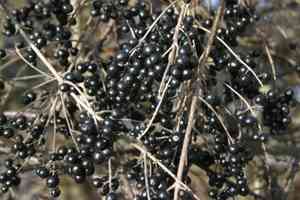
Ligustrum vulgare is best multiplied in the fall and winter seasons using techniques like cuttings and air layering. This species presents a moderate challenge for propagation, with the emergence of new shoots signifying successful establishment. Ensure the growing medium is adequately drained for the most favorable outcomes.
What Is the Best Time To Propagate Wild Privet?
Propagation Type
Cutting
Propagation Season
Autumn,Winter
What Tools Are Used in Wild Privet Propagation?
Sharp Pruning Shears
Used for taking cuttings from wild privet, sharp pruning shears ensure a clean cut that minimizes damage to the parent plant and promotes healthy root growth in the cuttings. A precise cut helps prevent disease entry and aids in faster healing.
Rooting Hormone Powder
Applied to the cut end of wild privet cuttings, rooting hormone promotes root development and increases the chances of successful propagation. The auxins present in the hormone stimulate root growth, which is crucial for the establishment of new plants.
Sterile Potting Mix
A sterile potting mix provides a pathogen-free environment ideal for rooting wild privet cuttings. It should have proper drainage and moisture retention to support initial root development without the risk of fungal diseases that can occur in non-sterile mediums.
Propagation Trays
Propagation trays are used to organize and support wild privet cuttings during the rooting process. They also help maintain consistent moisture levels and can be covered with a lid to create a humid environment, which is beneficial for root initiation.
Misting Bottle
Used to maintain high humidity around wild privet cuttings, a misting bottle helps prevent the delicate cuttings from drying out before they establish roots. Frequent misting is key to ensuring the cuttings do not wilt and fail to root.
Heating Mat
Providing gentle bottom heat to the propagation tray, a heating mat encourages quicker root growth in wild privet cuttings. Consistent warmth can significantly improve rooting success rates, especially in cooler climates or during colder months.
How to Care for Your Newly Propagated Wild Privet?
How to Care for Your Newly Propagated Wild Privet?
Once the wild privet cutting has established roots, gradually acclimate it to the outside environment by removing the humidity cover over a week. Transplant it to a larger pot or into the ground and water it regularly, ensuring the soil doesn't dry out completely. To maximize growth, apply a balanced liquid fertilizer monthly during the growing season. Prune wild privet periodically to encourage bushier growth and maintain desired shape.
Common Mistakes to Avoid When Propagating Wild Privet
Overwatering
Excessive watering can lead to root rot which is detrimental to the health of wild privet.
Taking cuttings from unhealthy plants
Using cuttings from diseased or weak plants can result in poor propagation outcomes as the offspring inherit the same health issues.
Incorrect cutting size
Cuttings that are too short may not have enough nodes to encourage rooting, while those that are too long can struggle to sustain themselves.
Neglecting to remove leaves
Leaves left on cutting stems can draw energy away from root development, leading to unsuccessful propagation.
Using dull tools
Dull tools can damage the cuttings and hinder the healing process, increasing the risk of infection.
Tips For Propagating Wild Privet
Use healthy plants
Select healthy, vigorous stems from wild privet as sources for cuttings to increase the success rate of propagation.
Ideal cutting length
Cuttings should be about 4-6 inches, with several nodes present, to optimize rooting potential.
Treat cut surfaces
Use rooting hormones on the cut surfaces to promote root growth and enhance the chances of successful propagation.
Sterilize tools
Always use sterilized cutting tools to prevent the spread of disease and ensure clean cuts for better healing.
Moderate watering
Maintain a balance in moisture levels, providing enough water to keep the soil damp but not waterlogged to avoid root rot.



