How to Propagate Dotted Gayfeather?
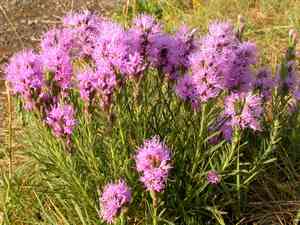
Liatris punctata is a resilient perennial, drawing beneficial insects with its distinctive floral plumes. To multiply Liatris punctata, disperse seeds directly into a sun-drenched location featuring adequately draining earth. Prior to planting, confirm the ground has been aerated and purged of undesirable vegetation. Lightly cover the seeds with substrate, as Liatris punctata seeds require firm contact with the soil but should not be interred profoundly. Maintain the soil consistently damp until sprouting occurs, which could span several weeks. Once rooted, Liatris punctata demands minimal upkeep and can reproduce organically through self-seeding.
Optimal Period for Dotted Gayfeather Propagation
Propagation Method
Seeding
Propagation Season
Spring
Tools Required for Dotted Gayfeather Propagation
Seed trays
Seed trays are crucial for initiating dotted Gayfeather from seeds. They offer a consistent environment for seed growth, ensuring each seed receives adequate space, light, and air. Select trays with drainage holes to prevent waterlogging, vital for the health of dotted Gayfeather's roots during germination.
Potting soil
A light, well-draining potting mix is advised for sowing dotted Gayfeather seeds. This soil type guarantees proper aeration and moisture retention, essential for dotted Gayfeather's germination. The soil should be loamy and rich in organic material to support seedling development.
Misting bottle
A misting bottle is key during the initial phases of dotted Gayfeather's development. It aids in gently hydrating the seeds without disturbing them, unlike conventional watering methods that can dislodge small seeds from their ideal growing position.
Heat mat
A heat mat is particularly useful for boosting the germination rate of dotted Gayfeather by maintaining a steady soil temperature. This is especially important in cooler regions or during periods when ambient temperatures might hinder seed germination.
Grow lights
Grow lights are beneficial if propagating dotted Gayfeather indoors or during seasons with limited natural sunlight. These lights help simulate natural sunlight, encouraging better growth and development in the early stages of dotted Gayfeather, and are adjustable to meet the plant's specific light requirements.
How to Propagate Dotted Gayfeather?
Propagation Type
Simple
How to Maintain Your Newly Propagated Dotted Gayfeather?
How to Maintain Your Newly Propagated Dotted Gayfeather?
Dotted Gayfeather thrives in well-drained soil and needs full sun exposure for optimal growth. Water the plants consistently during the initial growing season to help establish a strong root system. Once mature, dotted Gayfeather is drought-tolerant and requires minimal upkeep. However, removing spent flowers can encourage more blooms and prevent excessive self-seeding. In colder climates, applying a layer of mulch in autumn can help protect the root system from freezing temperatures.
Common Errors to Avoid When Propagating Dotted Gayfeather
Overwatering
Excessive watering of dotted Gayfeather can lead to root rot and fungal diseases, which impede root development and can kill the plant.
Deep Planting
Planting dotted Gayfeather's corms or seeds too deep can hinder successful sprouting as they may not be able to penetrate the soil surface.
Ignoring Soil Composition
Using a soil type that lacks proper drainage can result in water accumulation around dotted Gayfeather's roots, which can cause the plant to suffocate and die.
Neglecting Division
Failing to divide dotted Gayfeather's corms regularly can lead to overcrowding, resulting in poor growth and a decline in vigor.
Excessive Fertilization
Over-fertilizing can cause abundant leaf growth at the expense of flowers and can even lead to chemical burn of dotted Gayfeather's roots.
Advice for Propagating Dotted Gayfeather
Soil Preparation
Ensure the soil has good drainage and is rich in organic matter to support the healthy growth of dotted Gayfeather.
Proper Corm Depth
Plant dotted Gayfeather's corms at the correct depth, typically no more than an inch or two, to ensure successful sprouting.
Adequate Space
Provide sufficient space between planted corms to ensure there is ample room for root growth and prevent overcrowding.
Balanced Watering
Water dotted Gayfeather with a balanced approach, keeping the soil moist but not waterlogged to support root development without causing rot.
Regular Division
Divide the corms of dotted Gayfeather every few years to maintain vigor and prevent overcrowding, which allows for more robust growth.



