How to Propagate Mammoth wild rye?
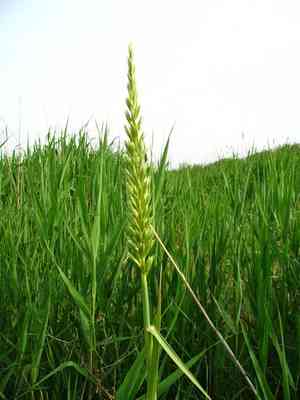
Mammoth wild rye is successfully reproduced by dividing its root ball. Gently split established clusters in either early spring or autumn, making sure every section possesses sufficient roots and new growth for proper integration. Immediately place these divisions into soil that drains well and irrigate regularly to foster vigorous development. Prevent excessive density to ensure adequate airflow, which supports healthy maturation.
Optimal Time for Propagating Mammoth Wild Rye?
Propagation Method
Division
Propagation Period
Spring,Autumn
Tools for Mammoth Wild Rye Propagation?
Spade or garden fork
Crucial for excavating mammoth wild rye, a spade or garden fork aids in safely lifting the entire plant from the ground. Their robust construction allows for deep soil penetration, effectively loosening the earth around mammoth wild rye's roots, which is vital for minimizing root damage during the division process.
Sharp knife or pruning shears
Utilized for cleanly severing mammoth wild rye's root mass to divide it into smaller clumps. A sharp knife ensures precise cuts, lessening stress and harm to the plant, which is essential for promoting rapid recovery and robust root growth in the new divisions.
Watering can or hose with a gentle spray setting
Important for rehydrating mammoth wild rye after transplanting the divisions. The gentle spray setting helps to moisten the soil without disturbing the newly planted divisions, encouraging root establishment and reducing transplant shock.
Rooting hormone powder or liquid (optional)
While not mandatory, applying a rooting hormone can accelerate root development in the new divisions of mammoth wild rye. It boosts the chances of successful propagation by stimulating root growth at the cut sites, ideal for ensuring a high survival rate among the divisions.
Trowel
Useful for digging planting holes for the new divisions of mammoth wild rye. A trowel is especially beneficial due to its smaller size, which allows for more precise control when planting in desired locations, ensuring that the divisions are placed at the correct depth for optimal growth.
How to Propagate Mammoth Wild Rye?
Propagation Type
Easy
Caring for Your Newly Propagated Mammoth Wild Rye?
Caring for Your Newly Propagated Mammoth Wild Rye?
Once established, mammoth wild rye requires minimal attention. Ensure the soil stays moist but drains well, and apply mulch to help retain soil moisture and suppress weeds. Mammoth wild rye tolerates various soil types but prefers full sun to partial shade. Regular inspection and removal of any dead or diseased plant material will help maintain the health and vigor of mammoth wild rye.
Common Mistakes to Avoid When Propagating Mammoth Wild Rye
Overwatering during initial growth
Excessive moisture can lead to root rot or fungal diseases, compromising the health and viability of mammoth wild rye's seedlings.
Planting seeds too deeply
If the seeds of mammoth wild rye are buried too deep, they may not receive sufficient light or may struggle to emerge from the soil, reducing germination rates.
Ignoring soil composition
Using the wrong soil type, especially one that does not drain well, affects mammoth wild rye's root health and overall growth, as it prefers well-drained sandy soils.
Tips For Propagating Mammoth Wild Rye
Surface sowing
Lightly press mammoth wild rye's seeds into the soil surface without covering them, allowing for optimal light exposure which is crucial for germination.
Moderate watering
Maintain a consistently moist, but not waterlogged, soil environment for mammoth wild rye's seeds. This encourages healthy root development without risking waterlogged conditions.
Using sandy soil mix
Propagate mammoth wild rye in a sandy, well-drained soil mix to mimic its natural sandy habitat, ensuring better root growth and overall plant health.



