How to Propagate Lyme grass?
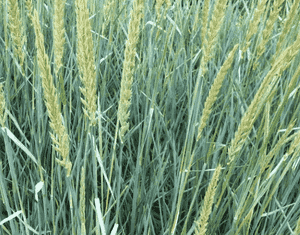
Lyme grass is a resilient, enduring grass species well-suited for sandy substrates and dune stabilization. Horticulturalists frequently multiply it via division, a process of splitting an established cluster into smaller segments, each possessing roots. This technique is uncomplicated and yields excellent results, ideally performed during the period of active development. It is crucial to verify that every separated portion retains sufficient root mass to sustain fresh growth after transplantation.
Optimal Period for Lyme Grass Propagation
Propagation Method
Division
Propagation Period
Spring,Autumn
Tools for Lyme Grass Propagation
Garden Fork
A garden fork is crucial for separating lyme grass, as it aids in gently lifting the plant from the soil with minimal root damage. Its broad, sharp tines are perfect for loosening soil around the root ball, making the division process easier and safer.
Sharp Knife or Pruners
A sharp knife or pruners are essential for cleanly cutting through the lyme grass root mass. This ensures precise divisions, reducing root damage and promoting faster recovery and growth post-transplantation.
Spade or Shovel
A spade or shovel is utilized for digging around and beneath lyme grass in preparation for lifting and division. The tool's flat edge is particularly effective for cutting through soil and ensuring the entire root system remains intact during the process.
Watering Can with a Fine Rose
After division, lyme grass requires thorough watering to help it establish in its new location. A watering can with a fine rose provides a gentle, even water flow, preventing soil displacement and supplying the necessary moisture for root development.
How to Propagate Lyme Grass?
Propagation Type
Easy
Caring for Your Newly Propagated Lyme Grass
Caring for Your Newly Propagated Lyme Grass?
Lyme grass is a resilient, low-maintenance plant that thrives in full sunlight and tolerates poor soil, including sandy and dry conditions. Post-propagation, ensure consistent watering, especially during extended dry periods. Frequent fertilization is not necessary; a balanced fertilizer application once at the start of the growing season is usually sufficient. It's also important to monitor and manage the plant's spread, as it can become invasive under favorable conditions.
Common Errors to Avoid When Propagating Lyme Grass
Overwatering
Excessive watering can lead to root rot in lyme grass, which is harmful as the plant prefers well-drained soil. This error can hinder root establishment and overall plant vitality.
Too much shade
Planting lyme grass in overly shaded areas is problematic because it flourishes in full sun. Insufficient light can result in weak growth and sparse foliage, ultimately impacting the grass's robustness and spread.
Inappropriate soil type
Using dense, clay-rich soil can lead to poor growing conditions for lyme grass. This plant prefers sandy, well-drained soil; compact soil can impede root development and water drainage, leading to poor health and growth.
Ignoring rhizome health
Failing to inspect rhizome health before propagating lyme grass can result in poor establishment or the spread of diseased plants. Compromised rhizomes can transmit diseases and pests, affecting overall plant health.
Tips For Propagating Lyme Grass
Healthy rhizome selection
Choosing strong, healthy rhizomes is crucial for successful lyme grass propagation. Ensure rhizomes are firm and free from rot or pest damage to promote vigorous growth and establishment.
Adequate spacing
Providing sufficient space between newly planted lyme grass rhizomes ensures proper air circulation and sunlight exposure, vital for robust growth. Overcrowding can lead to resource competition and increased disease susceptibility.
Soil preparation
Preparing a sandy, well-drained soil mix enhances lyme grass growth conditions. Amending the soil with organic matter or coarse sand can improve drainage and support vigorous growth.
Regular monitoring
Regularly checking planted lyme grass for signs of disease, pests, and moisture levels can facilitate timely interventions, ensuring healthy and successful propagation. Early problem detection can prevent spread and foster robust growth.



