How to Propagate Mountain doghobble?
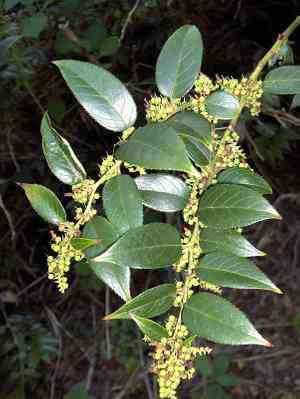
Leucothoe fontanesiana flourishes when propagated via cuttings, preferably in the Spring or Summer. The emergence of new shoots signifies successful rooting. A helpful hint: Confirm the cutting possesses two to three nodes and maintain a slightly damp environment during the rooting phase. This propagation method presents a moderate level of difficulty.
Optimal Time for Mountain Doghobble Propagation
Propagation Method
Cutting
Propagation Period
Spring, Summer
Tools Required for Mountain Doghobble Propagation
Sterile Pruning Shears
Utilized for obtaining cuttings from mountain doghobble. Sterility prevents disease transmission, and sharp blades ensure a clean cut without harming plant tissue.
Rooting Hormone
Applied to the severed end of mountain doghobble cuttings to stimulate root formation. This enhances the likelihood of successful rooting by fostering quicker and stronger root growth.
Propagation Trays
Hold the mountain doghobble cuttings in a stable setting conducive to root development. Trays with individual compartments prevent root entanglement and simplify potting without disruption once rooted.
Perlite or Vermiculite
Blended with potting medium to enhance air circulation and drainage. This is vital for mountain doghobble, as excessive moisture can lead to root rot in new cuttings.
Heating Mat
Provides consistent warmth to the base of mountain doghobble cuttings, which can accelerate root development. The gentle heat encourages growth without dehydrating the cuttings.
Misting System or Spray Bottle
Ensures mountain doghobble cuttings remain hydrated without becoming waterlogged. Misting provides an optimal humidity level for cuttings to prevent desiccation.
Plastic Dome or Cover
Creates a humidity dome over mountain doghobble cuttings in propagation trays to maintain a high moisture environment. This reduces water loss from leaves and stems before roots have formed.
How to Propagate Mountain Doghobble?
Propagation Type
Cutting
Difficulty Level
Moderately Difficult
Caring for Your Newly Propagated Mountain Doghobble
Caring for Your Newly Propagated Mountain Doghobble
Post-propagation, gradually introduce the new mountain doghobble plant to its outdoor environment if it was started indoors. It should be kept moist, but proper drainage is essential to prevent root rot. Position it in an area with partial to full shade, as mountain doghobble does not tolerate direct sun exposure well. Humidity levels should remain relatively high, and mulching can help retain soil moisture and regulate temperature. Fertilization should be light, using a balanced, slow-release fertilizer in the spring to support new growth. Pruning can be performed to maintain the plant's shape and health, typically in late winter or early spring before new growth commences.
Common Errors to Avoid When Propagating Mountain Doghobble
Overwatering cuttings
Excessive watering of mountain doghobble cuttings can lead to root rot, which is detrimental to successful rooting. Too much moisture reduces oxygen availability for developing roots, potentially causing decay and fungal infections.
Using diseased plant material
Propagating mountain doghobble with diseased or pest-infested plant material can transfer these issues to new plants, impeding their growth and survival and potentially spreading problems throughout the garden.
Deep planting of cuttings
Planting mountain doghobble cuttings too deeply can result in reduced oxygen availability for emerging roots. This might lead to poor root development or a complete failure to root.
Ignoring soil conditions
Failing to use appropriate soil conditions, which mimic mountain doghobble's natural habitat, can lead to unsuccessful rooting. The plant prefers well-draining and acidic soil; without it, cuttings may struggle to establish.
Neglecting humidity levels
Not maintaining high humidity for mountain doghobble cuttings can cause them to dry out, as this species tends to favor a more humid microclimate to encourage rooting and initial growth.
Tips For Propagating Mountain Doghobble
Rooting hormone use
Applying a rooting hormone to mountain doghobble cuttings can significantly boost the chances of successful root development, as it stimulates root growth at the cutting base.
Proper cutting technique
Ensuring that cuttings are taken with a sharp, clean tool and include 2-3 sets of leaves can lead to better rooting success for mountain doghobble. The cut should be made just below a leaf node.
Adequate watering
Providing consistent but moderate watering ensures the soil stays moist without becoming waterlogged, creating an ideal environment for mountain doghobble cuttings to develop roots.
Aeration
Loosening the soil and ensuring good air circulation helps prevent compaction around mountain doghobble cuttings, which is crucial for healthy root formation and growth.
Sterile equipment
Using sterile tools and containers when propagating mountain doghobble helps prevent the spread of disease, giving the new plants the best chance at a healthy start.



