How to Propagate Texas ranger?
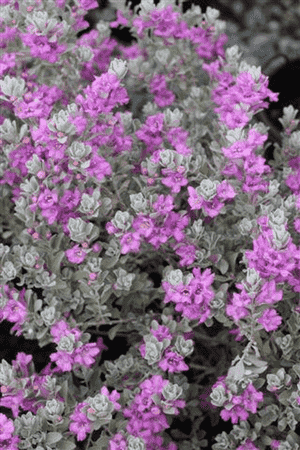
The most effective method for propagating Texas ranger is via cuttings during the spring and summer seasons. This plant presents a moderate challenge level for propagation. Evidence of successful propagation is indicated by the emergence of new buds. To achieve the highest success rate, guarantee the use of healthy, well-draining substrate.
Optimal Period for Texas Ranger Propagation
Propagation Method
Cutting
Propagation Period
Spring, Summer
Tools Required for Texas Ranger Propagation
Sharp pruning shears
Pruning shears are vital for obtaining texas ranger cuttings. A precise, clean cut helps prevent disease and ensures a healthy cutting capable of developing roots more easily. Sterilized blades also prevent pathogen transmission.
Rooting hormone
Rooting hormone can encourage root development on texas ranger cuttings. Applying this hormone can boost the success rate of cuttings taking root by promoting quicker and more robust root formation.
Propagation trays or pots
These containers hold the medium where texas ranger cuttings are placed to root. They provide structure and contain the soilless mix or peat-perlite blend often recommended for texas ranger propagation. Drainage holes are crucial.
Soilless medium or perlite
A soilless medium like perlite offers an ideal environment for texas ranger cuttings. It possesses excellent drainage and aeration properties, key factors in preventing rot and fostering root system growth. A peat and perlite blend is frequently used for this purpose.
Plastic covers or domes
These create a humid environment around texas ranger cuttings, which is critical for preventing desiccation. Maintaining elevated humidity levels around new texas ranger cuttings helps ensure they do not dry out before establishing roots.
Heat mat
By providing consistent bottom warmth, a heat mat can enhance the rooting success of texas ranger cuttings. It encourages faster root development, especially important in cooler environments where ambient temperatures might hinder the rooting process.
Steps to Propagate Texas Ranger
Propagation Method
Cutting
Difficulty Level
Moderately Challenging
Post-Propagation Care for Your New Texas Ranger
Post-Propagation Care for Your New Texas Ranger
After 4-8 weeks, once the texas ranger cutting has developed roots (verifiable by gently tugging for resistance), gradually acclimate the new plant to less humid conditions by opening the plastic bag or propagation chamber for longer durations daily. Once acclimated, transplant the new texas ranger into a larger container or a ground location with well-draining soil and full to partial sun exposure. Water regularly to keep the soil slightly moist to establish the plant, then reduce watering frequency, allowing the soil to dry between waterings, as texas ranger is drought-tolerant. Regular fertilization is not typically needed, but an annual application of balanced, slow-release fertilizer can support vigorous growth. Prune as necessary to shape the plant or encourage denser foliage.
Common Errors to Avoid When Propagating Texas Ranger
Overwatering
Watering texas ranger too often can lead to root rot, a frequent problem for plants that prefer dry conditions. Excessive moisture around the roots fosters fungal growth, which can harm or kill the plant.
Using diseased cuttings
When propagating texas ranger via cuttings, selecting diseased or pest-infected material can result in poor growth or the spread of problems to the new plants.
Planting too deep
Burying texas ranger cuttings or seeds too deeply can restrict their oxygen supply and impede root and shoot development, potentially preventing successful propagation.
Ignoring soil drainage
Using soil that drains poorly can retain too much moisture around texas ranger, which is detrimental to the plant's health and can cause root rot.
Advice for Propagating Texas Ranger
Well-draining soil
Utilizing a well-draining soil mix is crucial for texas ranger as it mimics the plant's natural habitat and lowers the risk of waterlogged roots.
Cutting selection
Ensure that cuttings are taken from healthy, disease-free parent plants to increase the likelihood of successful propagation.
Rooting hormone
Employing a rooting hormone can stimulate root growth in texas ranger cuttings, improving their chances of establishing when transplanted.
Moderate watering
Provide moderate, infrequent watering to texas ranger cuttings to maintain a balance that keeps the soil moist but not waterlogged, which is vital for encouraging root growth without causing rot.



