How to Propagate Oxeye daisy?
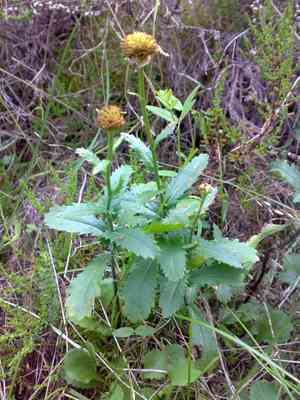
Oxeye daisy predominantly reproduces via seeding during the optimal period of Spring. The propagation challenge is moderate, with indicators of success encompassing robust root development and energetic growth. Guarantee adequate soil permeability and prime light exposure for superior outcomes.
Optimal Time for Oxeye Daisy Propagation
Propagation Method
Seeding
Propagation Period
Spring
Tools for Oxeye Daisy Propagation
Seeds tray or flat
A seed tray offers an ideal setting for planting oxeye daisy seeds, providing proper spacing, air circulation, and drainage essential for germination and initial seedling growth.
Potting mix
A sterile, soilless potting mix formulated for seeds provides oxeye daisy seedlings with an optimal start. Its fine texture aids tiny roots, and its sterility prevents disease.
Watering can with a fine rose
This tool allows for gentle irrigation of oxeye daisy seeds and delicate seedlings, ensuring even moisture without disturbing the soil or dislodging seeds.
Dibber or pencil
This instrument is used to create small, precise holes in the potting mix for placing oxeye daisy seeds at the correct depth, maximizing germination rates.
Clear plastic dome or wrap
A plastic cover creates a miniature greenhouse effect, maintaining high humidity and stable temperatures, which are ideal conditions for oxeye daisy seed germination.
Grow lights or sunny window
After germination, oxeye daisy seedlings need ample light for robust and healthy development. Grow lights ensure consistent illumination, particularly vital in areas with limited natural sunlight.
Heat mat (optional)
A heat mat gently warms the soil, which can improve germination rates for oxeye daisy, especially in cooler growing environments.
How to Propagate Oxeye Daisy?
Propagation Type
Sowing
Difficulty Level
Easy
Caring for Your Newly Propagated Oxeye Daisy
Caring for Your Newly Propagated Oxeye Daisy
Once established, oxeye daisy thrives in full sun but can endure partial shade. They perform well in moderately drained soil and require consistent watering, especially during dry periods. Remove spent blooms to encourage more flowers and prevent unwanted self-seeding. Mulching helps retain moisture and control weeds. Divide clumps every few years to maintain vigor and manage growth spread.
Common Mistakes to Avoid When Propagating Oxeye Daisy
Overwatering
Excessive watering can cause root rot in oxeye daisy, as the plant prefers well-drained soil. Too much moisture can lead to fungal diseases, hindering root development and impacting overall plant health and propagation success.
Deep planting
Planting oxeye daisy seeds or transplants too deeply can result in poor germination or weak growth. Oxeye daisy needs light to germinate successfully, so seeds should be sown on the surface, and transplants should not be buried beyond their root ball top.
Ignoring crowding
Sowing oxeye daisy seeds too closely or failing to thin out seedlings can lead to competition for resources. This results in weaker plants more susceptible to pests and diseases.
Neglecting pest control
Failure to monitor and manage pests during the early stages of oxeye daisy propagation can cause significant damage to young plants, impairing their growth and future propagation ability.
Tips For Propagating Oxeye Daisy
Soil preparation
To effectively propagate oxeye daisy, prepare a well-draining soil mix or bed. This encourages healthy root growth and reduces the risk of waterlogging and related diseases.
Surface sowing
For seeding, scatter oxeye daisy seeds on the soil surface and gently press them in, or barely cover them with soil. This ensures they receive enough light for germination without being buried too deeply.
Proper spacing
When planting oxeye daisy, provide ample space between plants to ensure adequate airflow and access to sunlight. This minimizes disease pressure and promotes strong growth.
Regular monitoring
Regularly inspect oxeye daisy plantings for signs of pests or disease. Early detection and intervention can protect young plants during critical propagation stages.



