How to Propagate Shasta daisy?
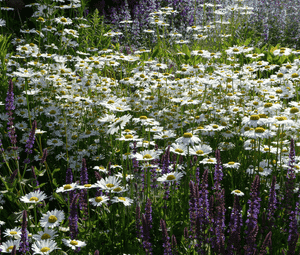
Shasta daisy reproduces readily in the springtime via seeding. It needs soil that drains effectively and sufficient solar exposure to flourish. Successful propagation is indicated by sprouting and noticeable seedling development. Refrain from dense planting to guarantee proper air circulation and reduce the chance of illness.
Optimal Period for Shasta Daisy Propagation
Propagation Method
Sowing
Propagation Season
Spring
Tools for Shasta Daisy Propagation
Seed trays
Seed trays aid organized germination by offering individual sections for each seed, reducing root disruption during later transplanting. Their shallow depth and drainage holes are perfect for sowing shasta daisy, allowing excess water to drain and preventing root rot.
Seed starting mix
Seed starting mix is a light, sterile medium designed for seed germination. It provides shasta daisy with essential aeration and moisture retention, vital for healthy root development in its early stages.
Plant labels
Plant labels are used to mark and identify shasta daisy seeds or seedlings, helping track planting dates and varieties. This ensures precise monitoring and care throughout the propagation process.
Watering can with fine rose
A watering can with a fine rose attachment allows for gentle watering, ensuring shasta daisy seeds or young seedlings are not dislodged or buried too deeply by water force. The fine spray provides even moisture distribution, crucial for germination.
Plastic dome or clear wrap
A plastic dome or clear wrap maintains high humidity and warmth around shasta daisy seeds, creating a greenhouse-like environment that encourages more efficient germination.
Propagating Shasta Daisy
Propagation Type
Sowing
Difficulty Level
Easy
Caring for Your Newly Propagated Shasta Daisy
Caring for Your Newly Propagated Shasta Daisy
Once shasta daisy is established, it needs full sun and consistent watering, especially during dry periods. Apply a balanced fertilizer in spring and deadhead spent blooms to encourage continuous flowering. Shasta daisy may require division every few years to maintain vigor and prevent overcrowding. Monitor for pests and diseases, and apply appropriate control measures as needed, ensuring the good health and longevity of shasta daisy.
Common Propagation Mistakes for Shasta Daisy
Overwatering cuttings
Excessive watering can lead to rot and fungal diseases, which are harmful to the rooting process of shasta daisy's cuttings. Cuttings need to be moist but not waterlogged.
Using non-sterile equipment
Propagation tools and pots that have not been sterilized can introduce pathogens, potentially harming cuttings and reducing the success rate of shasta daisy propagation.
Cutting incorrect plant parts
Taking cuttings from non-vigorous or diseased parts of shasta daisy may result in poor root development and weak plants, hindering propagation efforts.
Taking cuttings at the wrong time of day
Cuttings taken during the hottest part of the day may be stressed and less likely to root. This negatively impacts shasta daisy's propagation success.
Ignoring plant health
Attempting to propagate shasta daisy from unhealthy parent plants can yield weak cuttings, leading to lower success rates and potential disease spread.
Tips For Propagating Shasta Daisy
Use healthy parent plants
Select robust, disease-free specimens as the source for cuttings to ensure vigorous growth and successful rooting of shasta daisy.
Maintain proper humidity
Using a humidity dome or regular misting ensures cuttings of shasta daisy don't dry out while rooting, which is crucial for successful propagation.
Rooting hormone application
Applying rooting hormone to the cuttings can stimulate root growth and increase the success rate of shasta daisy propagation.
Appropriate soil mix
A well-draining soil mix that retains moisture without becoming soggy supports the development of healthy roots for shasta daisy cuttings.
Proper cutting technique
Make clean and sharp cuts just below a node to increase the available surface area for root growth, benefiting the propagation of shasta daisy.



