How to Propagate Mountain pepperplant?
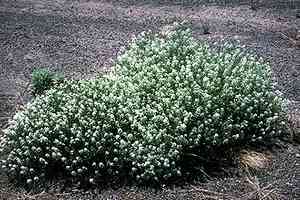
Mountain pepperplant flourishes optimally in permeable ground with ample sunlight. When planting seeds, gently embed them into the soil's top layer, making sure they stay damp yet not oversaturated. Focus on managing weeds and proper spacing to avoid rivalry and excessive density. Seed sprouting is enhanced in less compact soils. Preserve steady hydration during initial development phases to aid successful rooting.
What Is the Best Time To Propagate Mountain Pepperplant?
Propagation Type
Sowing
Propagation Season
Spring
What Tools Are Used in Mountain Pepperplant Propagation?
Seed Trays
Seed trays are crucial for arranging and overseeing seeds during the planting process. They offer a regulated setting for mountain pepperplant seeds to sprout, guaranteeing consistent moisture and temperature, vital for successful propagation.
Seedling Heat Mat
Seedling heat mats are advantageous for sustaining ideal soil temperature, which boosts the germination rate and speed of mountain pepperplant seeds. Consistent warmth from the mat ensures seeds avoid temperature fluctuations that could impede sprouting.
Soil Thermometer
A soil thermometer is utilized to check the soil temperature within the seed trays. Precise temperature readings aid in maintaining the perfect conditions for mountain pepperplant seed germination, providing a steady and favorable environment for seedling growth.
Mist Sprayer
A mist sprayer delivers a fine water spray over the seed trays, maintaining sufficient moisture without over-saturating the soil. This is crucial for mountain pepperplant seeds as it prevents soil compaction and potential root rot, fostering healthy seedling development.
Propagation Dome
Propagation domes are employed to cover seed trays, creating a miniature greenhouse effect. They help maintain high humidity and consistent warmth, which are essential for the germination and initial growth phases of mountain pepperplant seedlings.
Seed Starting Mix
A well-draining seed starting mix is vital for mountain pepperplant seeds. It supplies the necessary nutrients and structure to support early seedling development, preventing disease and encouraging robust root growth.
Labeling Stakes
Labeling stakes are used to keep track of various batches of mountain pepperplant seeds and their planting dates. Proper labeling ensures accurate identification and management of seedlings, facilitating better care and monitoring throughout the propagation process.
How to Propagate Mountain Pepperplant?
Propagation Type
Easy
How to Care for Your Newly Propagated Mountain Pepperplant?
How to Care for Your Newly Propagated Mountain Pepperplant?
Following transplantation, ensure mountain pepperplant receives ample sunlight and water moderately, allowing the soil to dry out slightly between waterings. Shield young plants from extreme temperature shifts and pests. Periodically check for signs of nutrient deficiencies and enrich the soil with a balanced fertilizer if needed. Apply mulch around the plant bases to retain moisture and suppress weeds. Prune as required to maintain plant health and encourage vigorous growth.
Common Mistakes to Avoid When Propagating Mountain Pepperplant
Overwatering
Excessive moisture can lead to root decay and fungal infections. Mountain pepperplant is adapted to well-drained soils and cannot tolerate waterlogged conditions.
Poor soil choice
Using dense or clay-rich soil restricts aeration and can cause water retention problems. Mountain pepperplant thrives in sandy or well-drained soils that mimic its natural environment.
Incorrect cutting technique
Damaging the stems or leaves during the cutting process can impede root development. Proper cutting methods ensure successful rooting.
Lack of sunlight
Insufficient sunlight hinders photosynthesis, impacting the growth and development of new plants. Mountain pepperplant requires full sun for optimal growth.
Neglecting hardening off
Directly exposing young plants to outdoor conditions can cause shock. Gradually hardening off helps mountain pepperplant adapt to environmental changes.
Tips For Propagating Mountain Pepperplant
Use well-drained soil
Prepare a sandy or gritty soil mixture to improve drainage and prevent waterlogging, replicating mountain pepperplant's natural habitat.
Monitor watering
Water sparingly and ensure the soil is dry before the next watering. This helps prevent root rot and promotes healthy root growth.
Proper cutting methods
Use sharp, sterilized tools to take cuttings. Ensure the cuts are clean and just below a node, where new roots can emerge for mountain pepperplant.
Provide ample sunlight
Place the propagated plants in a location with full sun exposure. This ensures healthy growth and vigor for mountain pepperplant.
Gradual acclimatization
Gradually introduce young plants to outdoor conditions over a couple of weeks. This prevents shock and ensures mountain pepperplant adapts well.



