How to Propagate Spike lavender?
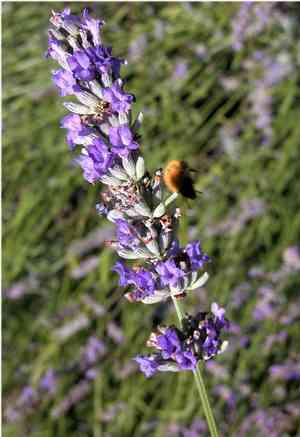
A member of the mint family, spike lavender can be successfully multiplied through cuttings. To ensure effective propagation, select a robust, non-blooming stem and sever a section approximately 6-8 cm long. Remove the foliage from the bottom half of the cutting, then immerse the tip in rooting compound to hasten root formation. Insert the cutting into a blend of perlite and peat for optimal drainage and moisture retention. Keep the substrate consistently damp but not saturated, and supply diffused light until roots are established, at which point the young spike lavender can be relocated.
Optimal Time for Spike Lavender Propagation
Propagation Method
Cutting
Propagation Period
Spring,Summer
Tools for Spike Lavender Propagation
Sharp Pruning Shears
These are vital for making clean, precise cuts on spike lavender. Sharp shears prevent damage to the parent plant and ensure a clean incision, which boosts the likelihood of successful rooting. A clean cut also lowers the risk of infection, critical for the cutting's health and viability.
Rooting Hormone
This product stimulates root development from spike lavender cuttings, significantly increasing the chances of successful propagation. By applying rooting hormone to the cut ends of the stem cuttings, the rooting process is accelerated, and the overall success rate of propagation improves. Rooting hormones are typically available in powder, gel, or liquid forms, offering flexibility based on propagation conditions and preferences.
Sterile Potting Mix
Utilizing a sterile potting mix ensures that spike lavender cuttings are not exposed to disease-causing pathogens or rot. A well-draining and nutritionally balanced potting mix specifically helps create the ideal environment for root development, which is crucial for establishing new plants from cuttings.
Plant Pots or Trays
Suitable for holding spike lavender cuttings while they root. Selecting pots or trays that provide adequate drainage is essential to prevent waterlogging, which could lead to root rot. These containers should also be clean and free from any residues that might harm the cutting.
Propagating Spike Lavender
Propagation Difficulty
Moderately Difficult
Caring for Newly Propagated Spike Lavender
Caring for Newly Propagated Spike Lavender
Once the spike lavender cutting has established roots, typically after several weeks, gradually introduce it to normal growing conditions by removing any covering and placing it in brighter light. When new growth is robust, transplant it to a larger pot or outdoors in well-draining soil, providing consistent water. Ensure spike lavender receives full sun to partial shade and prune lightly to encourage bushy growth. During winter, protect it from extreme cold, and in growing seasons, fertilize lightly with a general-purpose fertilizer to promote healthy development.
Common Propagation Mistakes for Spike Lavender
Overwatering
Excessive watering can lead to root rot and fungal diseases, as spike lavender requires well-drained soil and is susceptible to waterlogging.
Using non-sterile tools
This can introduce pathogens to the cuttings or the parent plant, risking infection and failed propagation.
Incorrect cutting selection
Taking cuttings that are too woody or too green can result in poor rooting and growth, as spike lavender propagates best from semi-ripe cuttings.
Ignoring humidity requirements
Failing to provide a humid environment for the cuttings can cause them to dry out before rooting, which is particularly crucial for spike lavender.
Planting too deeply
Inserting cuttings too far into the soil can suffocate emerging roots and reduce the chance of successful propagation for spike lavender.
Tips for Propagating Spike Lavender
Proper cutting selection
Choose semi-ripe cuttings with healthy leaves, as these are more likely to root and grow successfully.
Soil preparation
Use a well-draining soil mix to prevent water retention that could harm spike lavender's roots, enhancing the chances of successful propagation.
Rooting hormone
Using a rooting hormone can encourage faster and more consistent root development for spike lavender cuttings.
Correct planting depth
Plant cuttings shallowly, just deep enough to support the cutting and allow for healthy root growth.
Humidity control
Maintain a humid environment for the cuttings without overwatering, possibly by covering with a plastic bag or using a propagation dome to ensure proper moisture levels for spike lavender.



