How to Propagate French lavender?
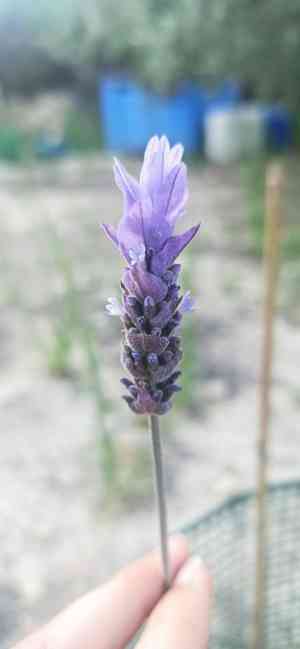
French lavender reproduces best from cuttings taken in the spring and summer seasons. This technique presents a moderate challenge, with fresh development signaling successful propagation. Provide a growing medium that drains efficiently and maintain steady hydration.
When Is the Best Time To Propagate French Lavender?
Propagation Type
Cutting
Propagation Season
Spring, Summer
What Tools Are Used in French Lavender Propagation?
Pruning Shears
These are utilized to obtain french lavender cuttings with a clean, angled cut to encourage superior rooting and minimize harm. Pruning shears should be sharp and sterilized to prevent disease transmission.
Rooting Hormone
This promotes root development in french lavender cuttings. A rooting hormone can significantly enhance success rates by stimulating root growth at the cut site.
Potting Mix
A well-draining, sterile potting mix offers a suitable environment for french lavender cuttings to develop roots without the risk of soil-borne pathogens that can impede root development.
Propagation Tray
Used to hold multiple french lavender cuttings in one location, allowing for consistent moisture levels and easier management. Clear domes can be added to maintain high humidity.
Misting Bottle
This tool enables gentle watering, ensuring that french lavender cuttings remain hydrated without disturbing delicate new roots or washing away the potting mix.
Heat Mat
Placed beneath the propagation tray, a heat mat provides consistent, gentle warmth that can encourage faster rooting in french lavender cuttings, which is beneficial since temperature plays a crucial role in root development.
How to Propagate French Lavender?
Propagation Type
Cutting
Difficulty Level
Easy
How to Care for Your Newly Propagated French Lavender?
How to Care for Your Newly Propagated French Lavender?
After french lavender has been successfully propagated and planted, it will require consistent care to flourish. Water the young plants deeply but infrequently, waiting until the soil dries out before watering again. French lavender prefers full sun and well-draining soil, so choose a location that meets these requirements. Fertilize sparingly, as french lavender does not require high nutrient levels, and over-fertilization can reduce flowering. Prune french lavender in spring to maintain shape and promote bushier growth. Mulching can help to retain moisture and control weeds. Finally, watch for pests and diseases, treating them promptly with appropriate horticultural methods.
Common Mistakes to Avoid When Propagating French Lavender
Overwatering
Providing too much moisture can lead to root rot for french lavender, which prefers drier conditions. This can hinder root development and reduce the chances of successful propagation.
Using non-sterile tools
Cutting with tools that are not sterile can introduce pathogens, which can infect french lavender cuttings and potentially prevent rooting or lead to disease.
Choosing wrong cutting type
Opting for soft, green stems rather than semi-hardwood stems can result in cuttings that are too tender and likely to rot before taking root.
Ignoring drainage
Planting french lavender cuttings in a growing medium without proper drainage can cause water to accumulate around the roots, which is detrimental to their growth and health.
Excessive fertilization
Applying too much fertilizer can burn the developing roots of french lavender cuttings, impeding their growth or even causing plant death.
Tips For Propagating French Lavender
Correct cutting selection
Select semi-hardwood cuttings from french lavender that are healthy and free from pests, as these have the optimal balance of growth potential and resilience.
Appropriate moisture levels
Maintain a slightly moist environment that mimics french lavender's natural conditions, avoiding overly wet or dry extremes to encourage successful rooting.
Use rooting hormones
Applying a rooting hormone to french lavender cuttings can promote root growth and increase the chances of successful propagation.
Proper air circulation
Ensuring good air circulation around french lavender cuttings helps prevent fungal diseases such as mold and mildew, which can be detrimental to young plants.
Gradual acclimatization
Once french lavender cuttings have rooted, gradually acclimate them to their future growing environment by slowly introducing them to the temperature and sunlight conditions they will encounter.



