How to Propagate Bay laurel?
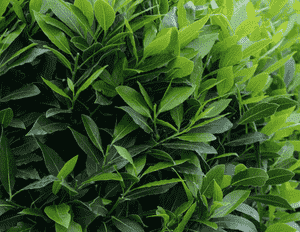
The preferred method for multiplying bay laurel is via cuttings, optimally taken in the spring and summer seasons. The challenge level for propagation is moderate, with indicators of success being the emergence of fresh foliage. Maintain dampness for the cuttings and ensure they receive filtered light for optimal outcomes.
Optimal Period for Bay Laurel Propagation
Propagation Method
Cutting
Propagation Season
Spring, Summer
Essential Tools for Bay Laurel Propagation
Sharp pruning shears
Designed for making clean, precise cuts, these shears are crucial for taking bay laurel cuttings. They minimize tissue damage, reducing infection risk and boosting rooting success.
Rooting hormone powder or gel
This compound promotes root growth on bay laurel cuttings. Dipping the cut end into it stimulates faster, more reliable root development than without its application.
Sterile potting mix
A clean substrate for bay laurel cuttings, free from pathogens and seeds that could hinder rooting. It offers an ideal environment for new roots due to balanced drainage and aeration.
Propagation tray or small pots
Containers specifically made to support cutting growth, featuring proper drainage and capacity for sterile potting mix. They provide a stable setting for bay laurel roots to form.
Plastic dome or clear plastic bag
These items maintain high humidity around bay laurel cuttings, vital for preventing desiccation while roots develop. This creates a greenhouse-like atmosphere conducive to growth.
Heating mat (optional)
Though not mandatory, a heating mat can aid bay laurel propagation by keeping the soil at a consistent, warm temperature, which can improve rooting success and accelerate the process.
Steps to Propagate Bay Laurel
Propagation Method
Cutting
Difficulty Level
Moderately Difficult
Post-Propagation Care for Your Bay Laurel
Post-Propagation Care for Your Bay Laurel
After propagating bay laurel, provide consistent care for healthy growth. Position the plant in full sun to partial shade. Maintain soil moisture without overwatering, ensuring good drainage. Shield young plants from frost. Fertilize sparingly, as bay laurel prefer less rich soil. Prune annually to maintain shape and remove dead or diseased wood. Monitor for pests or diseases and address them as needed.
Common Errors to Avoid When Propagating Bay Laurel
Overwatering cuttings
Excess moisture can cause rot in bay laurel cuttings. Overwatering creates a damp environment that encourages fungal growth, potentially killing young plants before establishment.
Using old or non-sterile tools
Bay laurel propagation failures often stem from infection. Dull or contaminated tools can introduce pathogens that impede rooting and growth, or even kill the cutting.
Planting cuttings too deep
Inserting bay laurel cuttings too far into the growing medium can lead to rot. They need a balance of support and air exposure for healthy root formation.
Neglecting humidity for cuttings
Ignoring the need for a humid environment can cause bay laurel cuttings to dry out. Insufficient humidity might prevent roots from establishing.
Overlooking cutting selection
Choosing unsuitable or diseased branches for cuttings can doom bay laurel propagation from the start. Weak or infected material is less likely to root and grow successfully.
Advice for Propagating Bay Laurel
Use healthy parent plants
Selecting robust, disease-free branches from the parent bay laurel ensures cuttings have the best chance of rooting and developing into strong plants.
Sterilize cutting tools
Using sterilized tools when taking bay laurel cuttings helps prevent disease transfer, leading to better propagation outcomes.
Monitor moisture levels
Maintaining appropriate moisture for bay laurel cuttings promotes rooting without increasing rot risk. Too much water is harmful, and too little can hinder rooting.
Provide adequate light
Ensuring bay laurel cuttings receive sufficient but indirect light supports photosynthesis and energy production vital for root development, without causing scorching.
Create a humid environment
Utilizing humidity domes or misting bay laurel cuttings fosters the necessary humid conditions for successful rooting, especially in drier climates.



