How to Propagate Perennial pea?
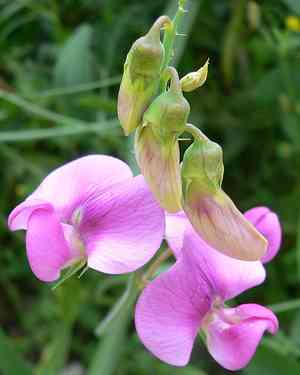
Perennial pea can be multiplied in the Spring and Summer seasons through the use of soft stem cuttings. The challenge of propagation differs, yet successful multiplication is indicated by the emergence of fresh shoots. Maintaining damp soil and ensuring adequate illumination can enhance the chances of success.
Optimal Time for Perennial Pea Propagation
Propagation Type
Cutting
Propagation Season
Spring, Summer
Tools for Perennial Pea Propagation
Sharp Pruning Shears
These are crucial for obtaining healthy, clean cuttings from perennial pea. Sharp blades ensure precise cuts, minimizing harm to the parent plant and boosting the likelihood of successful rooting in the cuttings.
Rooting Hormone
This encourages root development on perennial pea cuttings. It can significantly enhance propagation success by promoting quicker and stronger root formation.
Sterile Potting Mix
A premium, sterile potting mix offers the perfect growing medium for perennial pea cuttings. It lowers the risk of soil-borne illnesses and provides a well-draining, nutrient-balanced environment for new roots to emerge.
Propagation Tray or Pots
Trays or small containers are utilized to hold perennial pea cuttings while they root. They must have adequate drainage holes to prevent waterlogging, which is vital for the health of the developing roots.
Heating Mat
This tool can benefit perennial pea cuttings, which often root more effectively with consistent, gentle warmth from below. A heating mat helps maintain an ideal temperature, aiding in faster root development.
Humidity Dome
Maintaining high humidity around perennial pea cuttings is essential for preventing water loss through transpiration. A humidity dome keeps the air around the cuttings moist, reducing stress and drying until roots are established.
Watering Can with Fine Rose
Gentle irrigation is necessary to keep the potting medium for perennial pea cuttings moist without disturbing them. A watering can with a fine rose attachment distributes water evenly without causing erosion or displacement of the cuttings.
Method for Propagating Perennial Pea
Propagation Type
Cutting
Difficulty Level
Easy
Caring for Your Newly Propagated Perennial Pea
Caring for Your Newly Propagated Perennial Pea
Once perennial pea cuttings have been successfully propagated and transplanted, ensure they are placed in a location with full sun to partial shade. Water the perennial pea regularly, especially during dry spells, to maintain consistently moist soil. Fertilize with a balanced liquid feed every 4-6 weeks during the growing season. Provide support for climbing, if needed, and prune to manage growth and encourage bushiness. Monitor for pests and diseases and treat as appropriate. Deadhead spent flowers to promote more blooms and prevent self-seeding if desired.
Common Errors to Avoid When Propagating Perennial Pea
Inadequate rooting medium
Using an unsuitable rooting medium for perennial pea can hinder root development. An inadequate medium may either retain too much moisture, leading to root rot, or dry out too quickly, risking desiccation of cuttings.
Overwatering
While sufficient moisture is crucial during perennial pea rooting, excessive watering can suffocate the roots and encourage fungal growth, ultimately causing the cuttings to rot.
Neglecting hygiene
Not sterilizing tools or containers can introduce pathogens to perennial pea cuttings, impeding healthy root development and potentially spreading disease to the new plants.
Incorrect cutting size
Taking cuttings that are either too large or too small can impact the perennial pea's ability to sustain itself and adequately root, reducing propagation success rates.
Ignoring wound healing
Failing to allow a callous to form on perennial pea's cutting before planting can increase the risk of rot and disease.
Too much fertilizer
Applying excessive fertilizer to perennial pea cuttings can burn the delicate developing roots, delaying growth or killing the cutting.
Tips For Propagating Perennial Pea
Select healthy parent plant
Ensuring that the parent plant is healthy and disease-free will increase the success rate of perennial pea's cuttings establishing and growing vigorously.
Use sharp tools
Clean, sharp cutting tools create a clean cut that heals faster and is less prone to disease, thus improving perennial pea's chances of successful propagation.
Ideal cutting length
Cuttings of perennial pea should ideally be between 4 to 6 inches long with several sets of leaves, to maintain a good balance between shoot and potential root growth.
Rooting hormone
Using a rooting hormone can stimulate root growth and increase the chances of successful perennial pea propagation.
Proper moisture balance
Maintaining a moist, but not wet, rooting medium will provide the necessary hydration for perennial pea cuttings without causing rot.
Indirect light
Positioning the perennial pea cuttings in bright, indirect light avoids scorching while providing the energy needed for root development.



