How to Propagate Chinese larch?
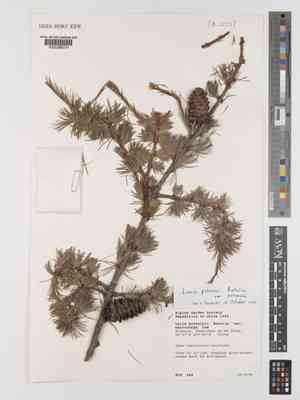
The Chinese larch is valued for its conical structure and acicular foliage. Effective propagation frequently utilizes cuttings, preferably harvested from robust, semi-lignified stems. Verify that cuttings remain hydrated and are situated in adequately draining substrate, preserving steady moisture levels. A rooting stimulant can boost successful establishment. Supplying ample illumination, preventing direct solar exposure, and sustaining lower temperatures can maximize root development.
Optimal Period for Chinese Larch Propagation
Propagation Type
Cutting
Propagation Season
Autumn,Winter
Tools for Chinese Larch Propagation
Pruning Shears
Pruning shears are vital for making precise cuts when taking stem cuttings from chinese larch. A sharp, clean cut minimizes harm to the parent plant and aids the cutting in rooting more effectively.
Rooting Hormone
Rooting hormone powder or gel assists in stimulating root formation on chinese larch cuttings. This is particularly crucial for woody species like chinese larch to boost the propagation success rate.
Propagating Trays
Propagating trays offer a controlled environment for rooting chinese larch cuttings. These trays help maintain consistent moisture and temperature levels, which are critical for root development.
Sterile Medium
A sterile propagation medium, such as a mix of perlite and peat moss, ensures that chinese larch cuttings are free from pathogens and provide adequate drainage and aeration, which are crucial for root formation.
Humidity Dome
A humidity dome placed over the propagating trays helps to maintain high humidity levels around chinese larch cuttings. High humidity prevents the cuttings from drying out and supports successful rooting.
Sharp Knife
A sharp, sterile knife is used for precise cutting of stems, especially for obtaining softwood or semi-hardwood cuttings of chinese larch. Clean cuts promote faster healing and rooting.
Spray Bottle
A spray bottle is used to mist chinese larch cuttings regularly, ensuring the leaves remain hydrated and reducing water loss during the rooting process.
Heat Mat
A heat mat placed under the propagating trays provides bottom heat, which is beneficial for stimulating root growth in chinese larch cuttings. Consistent warmth accelerates the rooting process, especially in cooler climates.
How to Propagate Chinese Larch?
Propagation Type
Moderately Difficult
Caring for Newly Propagated Chinese Larch
Caring for Newly Propagated Chinese Larch
Once chinese larch cuttings have rooted, gradually acclimate them to reduced humidity by removing the plastic cover. Transplant them into individual pots with appropriate soil mix and continue to provide indirect sunlight until they are stronger. Keep the soil consistently moist and avoid letting it dry out completely. Monitor for pests and diseases, taking immediate action if issues arise. As the plants grow, gradually expose them to more direct sunlight, ensuring they receive ample light but are protected from harsh conditions.
Common Mistakes to Avoid When Propagating Chinese Larch
Improper soil conditions
Using soil that is either too dry or too wet can hinder root development and overall plant health.
Inadequate light exposure
Placing cuttings in an area with insufficient light can slow growth and reduce the chances of successful propagation.
Overwatering
Excessive watering can lead to root rot and fungal diseases, which can be detrimental to the plant.
Using unhealthy parent plants
Taking cuttings from stressed or diseased plants reduces the chances of successful propagation as the new plants may inherit these issues.
Incorrect cutting techniques
Damaging the cutting during the separation process can lead to poor root development and stunted growth.
Tips For Propagating Chinese Larch
Use well-draining soil
Ensure the soil mix is well-draining to prevent waterlogging and encourage healthy root growth.
Utilize a clean, sharp tool for cuttings
A clean, sharp tool ensures a clean cut and reduces the risk of disease transmission and damage to the parent plant.
Provide ample indirect sunlight
Place the cuttings in an area that receives plenty of indirect light to promote healthy growth without causing stress.
Maintain consistent moisture levels
Keep the soil consistently moist but not waterlogged to support root development without risking root rot.
Select healthy parent plants
Choose robust, disease-free parent plants for cuttings to increase the chances of successful propagation and healthy new plants.



