How to Propagate Spotted Dead Nettles?
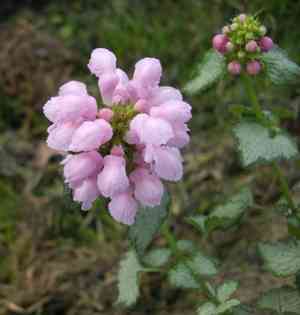
Reproducing spotted Dead Nettles is most effectively accomplished by planting seeds in the springtime. This procedure is quite straightforward, with fresh development signaling successful establishment. To encourage the best propagation, ensure adequate hydration and a growing medium that drains efficiently.
Optimal Time for Propagating Spotted Dead Nettles
Propagation Method
Seeding
Propagation Period
Spring
Tools Required for Spotted Dead Nettles Propagation
Seed trays or flats
Enables efficient planting of multiple spotted Dead Nettles seeds in a regulated setting. These trays help maintain steady moisture and temperature, crucial for seed sprouting.
Fine-textured potting mix
Offers spotted Dead Nettles seeds a well-draining medium that holds enough moisture without becoming waterlogged, vital for robust root growth.
Misting bottle or spray nozzle
Used to gently hydrate spotted Dead Nettles seeds, ensuring the potting mix remains damp but not excessively wet, reducing the chance of seed rot.
Plastic dome or clear cover
Spotted Dead Nettles seeds may need a humid environment for effective germination. A clear cover over the seed tray traps moisture and warmth, creating a miniature greenhouse effect.
Heat mat
If spotted Dead Nettles seeds require warmth to germinate, a heat mat can provide consistent bottom heat, which can encourage quicker germination and healthy initial growth.
How to Propagate Spotted Dead Nettles
Propagation Method
Seeding
Difficulty Level
Simple
Caring for Your Newly Propagated Spotted Dead Nettles
Caring for Your Newly Propagated Spotted Dead Nettles
Post-propagation, spotted Dead Nettles needs minimal upkeep. Place in partial to full shade as spotted Dead Nettles prefer these conditions. Water spotted Dead Nettles regularly to keep the soil damp but not saturated, and apply a balanced liquid fertilizer monthly during the growing season. Mulch around the base to retain soil moisture and prevent weeds. Trim back any spent flowers or foliage in late autumn to encourage dense, healthy growth in the spring.
Common Errors to Avoid When Propagating Spotted Dead Nettles
Insufficient soil preparation
This can hinder root development. For spotted Dead Nettles, the soil should be well-draining and rich, as overly compact or nutrient-poor soil could impede growth.
Excessive watering
Since spotted Dead Nettles prefers moist soil, it's easy to overwater, leading to root rot. Consistent overwatering can suffocate roots, reducing the plant's ability to absorb nutrients.
Ignoring planting depth
Planting cuttings or divisions too deeply can cause stem rot. Spotted Dead Nettles requires proper planting depth to ensure healthy growth and root development.
Neglecting humidity requirements
While rooting, cuttings of spotted Dead Nettles need a humid environment. Lack of humidity can cause the cuttings to dry out before they have a chance to root.
Using diseased or weak cuttings
Healthy cuttings are essential for successful propagation. Using diseased or weak cuttings of spotted Dead Nettles can result in poor growth or failure to root.
Tips for Propagating Spotted Dead Nettles
Utilize sharp, clean tools
When taking cuttings or dividing spotted Dead Nettles, ensuring sterilized tools will minimize infection risk and ensure clean cuts for better healing and rooting.
Rooting hormone application
Applying a rooting hormone to cuttings of spotted Dead Nettles can stimulate root growth and increase the chance of successful propagation.
Adequate light exposure
Spotted Dead Nettles cuttings require bright, indirect light to encourage rooting without scorching delicate new growth, promoting healthy development.
Moisture control
Maintain soil moisture at a consistent level. For spotted Dead Nettles, it is vital to keep the soil moist but not waterlogged to support the rooting process.
Divide in moderation
Spotted Dead Nettles benefits from occasional division to promote vigorous growth. Over-dividing or doing so too frequently can stress the plants and impede their development.



