How to Propagate Crepe myrtle?
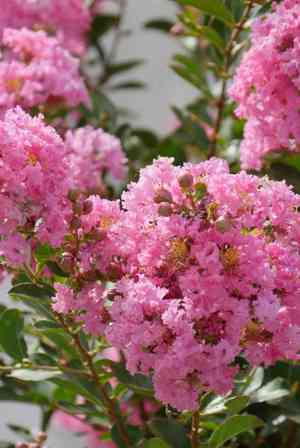
Lagerstroemia species are most readily propagated in the fall and winter seasons through methods such as cuttings and air layering. This propagation process presents a moderate challenge, with the emergence of new foliage signifying successful establishment. Regular misting is crucial for achieving the best outcomes.
What Is the Best Time To Propagate Crepe Myrtle?
Propagation Type
Cutting
Propagation Season
Autumn,Winter
What Tools Are Used in Crepe Myrtle Propagation?
Pruning Shears
These are vital for obtaining cuttings from crepe myrtle. Pruning shears must be sharp and clean to ensure a precise cut, minimizing disease risk and promoting quicker healing. Proper cutting technique is essential to secure a piece with multiple nodes, which will enhance root formation.
Rooting Hormone
This product stimulates root growth in crepe myrtle cuttings. Applying rooting hormone to the cut stem end before planting increases the likelihood of successful rooting and establishment, which can be particularly helpful since crepe myrtle may root more slowly or with less consistency without it.
Sterilization Agent
Such as rubbing alcohol or bleach solution, is crucial for sterilizing pruning shears and other tools before use. This step is essential to prevent the spread of disease during the cutting process of crepe myrtle.
Propagation Trays
These trays keep crepe myrtle cuttings organized and offer an ideal environment for root development. The size and depth of the trays should accommodate the cuttings. Some trays include domes to maintain high humidity, benefiting crepe myrtle cutting's root formation.
Potting Mix
A well-draining potting mix or a mix specifically formulated for cuttings provides the necessary support and aeration for the developing roots of crepe myrtle. The medium should retain sufficient moisture to keep the cuttings hydrated but also allow excess water to drain to prevent rot.
Heating Mat
This tool can be placed beneath propagation trays to maintain a consistent and appropriate temperature, encouraging root growth in crepe myrtle cuttings. Consistent warmth is often a key factor in the successful rooting of cuttings.
Mister or Spray Bottle
Used to maintain humidity around crepe myrtle cuttings, this tool can help prevent the delicate new growth from drying out. Keeping the environment moist mimics the natural conditions that crepe myrtle would encounter in a more tropical setting.
How to Care for Your Newly Propagated Crepe Myrtle?
How to Care for Your Newly Propagated Crepe Myrtle?
Once the cuttings of crepe myrtle have rooted and new growth appears, gradually introduce them to the environment outside the humidity dome. Ensure the plant has well-drained soil and receives full sun to partial shade. Keep the soil consistently moist but not waterlogged and provide a balanced fertilizer during the growing season. As crepe myrtle matures, prune to promote a desirable shape and improve air circulation.
Common Mistakes to Avoid When Propagating Crepe Myrtle
Incorrect cutting selection
Choosing unsuitable cuttings can lead to poor rooting and growth. For crepe myrtle, semi-hardwood cuttings are the most viable; selecting overly mature or too young stems might not root well.
Excessive water
Overwatering cuttings or seeds can result in fungal infections or rot. Crepe myrtle requires a well-draining soil medium and moderate moisture to encourage healthy root development without the risk of waterlogging.
Poor handling of roots
Rough handling or damaging the delicate roots of crepe myrtle during transplantation can stress the plant and hinder its growth. This can cause transplantation shock, potentially leading to plant death.
Ignoring soil ph
Planting crepe myrtle in an unsuitable soil pH can prevent the plant from accessing necessary nutrients, leading to stunted growth or failure to thrive. Crepe myrtle prefers slightly acidic to neutral soil.
Inadequate light
Insufficient light during the rooting phase can cause poor or leggy growth for crepe myrtle. Cuttings require ample indirect light to stimulate healthy root and shoot development.
Tips For Propagating Crepe Myrtle
Correct cutting technique
Use sharp, sanitized shears to take semi-hardwood cuttings of about 4-6 inches in length. Make sure the cutting has several leaf nodes as this is where root emergence is most likely to occur.
Rooting hormone application
Dipping the cut end of the cutting in rooting hormone can significantly enhance root development for crepe myrtle. This encourages a stronger and faster rooting process.
Well-draining medium
Plant crepe myrtle cuttings in a well-draining propagation medium, such as a mix of peat and perlite or sand. This ensures adequate air circulation and moisture retention for root growth.
Gentle handling
When transplanting crepe myrtle, handle the roots with care to minimize damage and stress. Ensure the root system is spread out in the planting hole and not cramped or bent.
Appropriate light conditions
After planting the cuttings or seeds, provide crepe myrtle with bright, indirect sunlight. Direct sunlight can be too intense and might damage the young plants, whereas too little light can cause weak, spindly growth.



