How to Propagate Prickly castor oil tree?
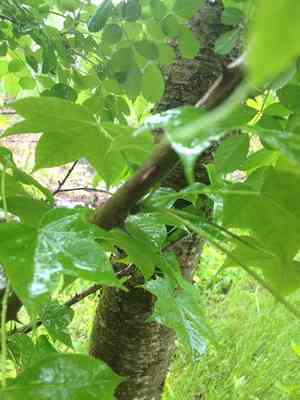
The prickly castor oil tree, a sturdy deciduous species prized for its decorative and therapeutic qualities, commonly reproduces via cuttings. This technique can foster successful root formation if executed with semi-hardwood cuttings gathered in the latter part of summer. To achieve the best outcome, apply a rooting stimulant and confirm that the cuttings are situated in a well-aerated, damp propagation substrate, maintained under diffused illumination.
Optimal Time for Prickly Castor Oil Tree Propagation
Propagation Method
Cutting
Propagation Period
Autumn,Winter
Tools Required for Prickly Castor Oil Tree Propagation
Sharp pruning shears
These are vital for obtaining clean, precise cuttings from prickly castor oil tree. The blades must be sharp enough to cut cleanly without crushing stem tissues, which is key for preventing disease and ensuring healthy root development.
Rooting hormone powder or gel
This assists in stimulating root formation from prickly castor oil tree cuttings. Applying a rooting hormone to the cut end boosts the likelihood of successful root development by encouraging faster root initiation and stronger root systems.
Sterile potting mix
A sterile, well-draining potting medium offers the perfect environment for prickly castor oil tree cuttings to root. It lowers the risk of soil-borne diseases, which is crucial for young cuttings highly vulnerable to infections.
Propagation tray with dome
This tool helps maintain high humidity around prickly castor oil tree cuttings, which is essential to prevent them from drying out before roots establish. The clear dome also allows light to reach the cuttings while retaining moisture.
Heat mat
Providing warmth from below can significantly enhance the rooting success of prickly castor oil tree cuttings by maintaining an ideal soil temperature. This is especially helpful during colder months or in cooler climates.
How to Propagate Prickly Castor Oil Tree?
Propagation Type
Moderately Difficult
Caring for Your Newly Propagated Prickly Castor Oil Tree
Caring for Your Newly Propagated Prickly Castor Oil Tree?
Once rooted, gradually introduce the young prickly castor oil tree plants to more direct sunlight and lower humidity by opening the plastic cover over several days. Transplant them to their permanent spot, ensuring rich, well-drained soil. Water regularly to maintain slight soil moisture and check for pests or diseases. Additional mulching can help retain soil moisture and provide nutrients as they establish.
Common Errors to Avoid When Propagating Prickly Castor Oil Tree
Poor cutting selection
Choosing weak, diseased, or very young stems from prickly castor oil tree can impede root development. Healthy, mature stems are vital for successful propagation.
Over-watering cuttings
Excessive moisture can lead to root rot or fungal issues in prickly castor oil tree cuttings. Maintaining balanced moisture is crucial to encourage healthy root growth without promoting pathogens.
Ignoring aeration
Planting prickly castor oil tree in dense, compact soil lacking aeration can hinder root expansion and reduce oxygen availability, which is essential for root health.
Using unsterilized tools
Unclean propagation tools can introduce diseases to prickly castor oil tree, severely impacting propagation success and overall plant health.
Tips For Propagating Prickly Castor Oil Tree
Select healthy, mature stems
For prickly castor oil tree, choose robust and mature stems for cuttings. Such stems have a higher success rate in rooting and eventually developing into strong plants.
Proper soil mix
Utilize a light, well-draining, and fertile soil mixture to encourage effective root growth and aeration in prickly castor oil tree. A blend of peat, perlite, and organic compost is beneficial.
Moderate watering
Maintain consistent moisture levels, keeping the soil slightly damp but not waterlogged, which supports healthy root development of prickly castor oil tree.
Sterilize equipment
Ensure all cutting tools and containers are sterilized before use to prevent transferring diseases to the prickly castor oil tree cuttings, which can jeopardize propagation efforts.



