How to Propagate Mountain laurel?
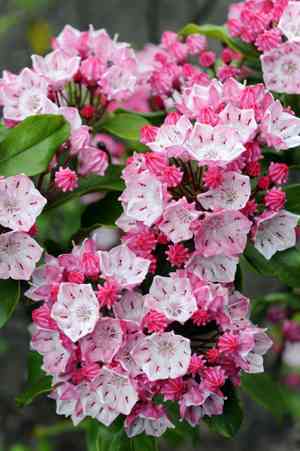
Kalmia latifolia typically reproduces via cuttings in the spring and summer seasons. This procedure can be somewhat challenging, with fresh development signifying successful propagation. Utilize a rooting substrate that drains effectively to achieve superior outcomes.
Optimal Period for Mountain Laurel Propagation
Propagation Method
Cutting
Propagation Period
Spring, Summer
Tools for Mountain Laurel Propagation
Sharp pruning shears
Essential for taking cuttings from mountain laurel, sharp pruning shears ensure a clean cut, minimizing harm to both the parent plant and the cutting. This clean incision helps prevent disease and promotes faster healing and root formation.
Rooting hormone
When propagating mountain laurel via cuttings, rooting hormone can be applied to the cut end to encourage root development and boost the likelihood of successful rooting. This aid is particularly crucial for woody plants like mountain laurel, which can be more challenging to root.
Sterile potting mix
A pathogen-free potting mix provides a healthy initial environment for mountain laurel cuttings. Good drainage and aeration from the mix are vital for new root growth without the risk of fungal diseases that can be fatal to young cuttings.
Propagation tray with humidity dome
This setup creates an enclosed space with high humidity and consistent temperature, ideal conditions for mountain laurel cuttings to develop roots. The humidity dome helps prevent water loss from the cuttings, reducing stress during the propagation phase.
Heat mat
For mountain laurel, which may need warmth for optimal root development, a heat mat beneath the propagation tray can maintain a steady and suitable soil temperature, encouraging quicker root growth.
Misting bottle
A misting bottle allows for gentle watering, keeping the medium moist without dislodging or harming the young roots of mountain laurel. Misting also maintains humidity around the cuttings, crucial for preventing water loss through the leaves.
How to Propagate Mountain Laurel?
Propagation Method
Cutting
Difficulty Level
Moderately Difficult
Post-Propagation Care for Mountain Laurel
Post-Propagation Care for Mountain Laurel
Mountain laurel thrives in acidic, well-drained soil in partial shade. Water newly established plants regularly to maintain soil moisture, but avoid waterlogging. Apply mulch around the base to conserve moisture and suppress weeds. Fertilize lightly, using an acid-forming fertilizer if needed. Prune sparingly, only to shape or remove damaged branches, as mountain laurel grows slowly. Protect young plants from harsh winter winds and extreme cold.
Common Propagation Mistakes for Mountain Laurel
Overwatering
Propagating mountain laurel requires balanced moisture; excessive water can lead to root rot and fungal infections. Overwatering is a common error that deprives roots of essential oxygen and can ultimately kill the plant.
Using poor soil medium
Selecting an unsuitable soil medium can be detrimental for mountain laurel. Soil that drains poorly or lacks the necessary acidity can hinder root growth and impair the plant's overall health.
Taking cuttings from unhealthy plants
Propagation material should always come from healthy mountain laurel specimens. Cuttings from diseased or weak plants often fail to thrive and can transfer problems to new plants.
Incorrect cutting size
Cuttings that are either too large or too small struggle to establish a healthy root system. The correct size ensures a good balance between the foliage and the potential root system for mountain laurel.
Neglecting to harden off
Failing to gradually acclimate propagated mountain laurel to outdoor conditions can cause shock, leading to the plant's inability to adapt to temperature and light changes.
Tips for Propagating Mountain Laurel
Rooting hormone
Utilizing a rooting hormone can enhance root development in mountain laurel cuttings. It stimulates root growth and can significantly improve the chances of successful propagation.
Sterile equipment
Using sterile tools and containers for cutting and potting helps prevent the introduction of pathogens, which is crucial for mountain laurel's propagation efforts to ensure healthy plant growth.
Appropriate humidity
Maintaining a high humidity environment for mountain laurel cuttings can prevent the leaves from losing too much moisture before roots have formed.
Careful handling
The stems and leaves of mountain laurel are delicate. Gentle handling when planting and moving cuttings is important to avoid damage and stress to the plant.
Indirect light
Providing indirect light rather than direct sunlight after propagation is important, as it allows mountain laurel cuttings to grow without the stress of intense light, which can dehydrate new roots and foliage.



