How to Propagate Chocolate soldier?
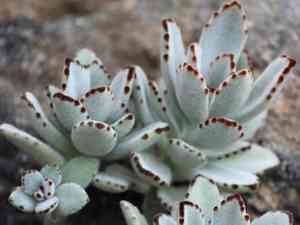
Chocolate soldier is most effectively propagated via cuttings taken in the spring and summer seasons. This procedure is quite straightforward, with indicators of success being the emergence of new foliage and the formation of roots. Ensure consistent humidity and warmth for the most favorable outcomes.
What Is the Best Time To Propagate Chocolate Soldier?
Propagation Type
Cutting
Propagation Season
Spring, Summer
What Tools Are Used in Chocolate Soldier Propagation?
Sharp Pruning Shears
Pruning shears are used for making precise cuts from the parent chocolate soldier without harming the plant. Their sharpness ensures a quick cut, minimizing infection risk and promoting faster wound healing.
Clean Trays or Pots
These containers are essential for holding chocolate soldier cuttings once removed from the parent plant. Clean trays or pots help prevent the introduction of harmful pathogens that could damage the cutting before rooting.
Rooting Hormone Powder
This hormone encourages root development in chocolate soldier cuttings and can be applied to the cut stem end. It facilitates quicker and more dependable root formation, increasing the likelihood of successful propagation.
Cactus Potting Mix
A well-draining soil blend, such as a cactus potting mix, ensures that chocolate soldier cuttings are not submerged in water, which can lead to rot. It is especially beneficial for chocolate soldier, which requires good aeration and drainage.
Plastic or Glass Cover
A cover creates a miniature greenhouse effect around chocolate soldier cuttings, maintaining high humidity and a stable temperature, both crucial for encouraging root growth.
Heating Mat (Optional)
While not strictly necessary, a heating mat can be placed beneath the propagation tray to maintain a consistent soil temperature, thereby improving the rooting success of chocolate soldier.
Water Spray Bottle
Used to mist chocolate soldier cuttings, providing adequate moisture without over-saturating. Misting is important for keeping humidity levels high, a key factor in successful leaf propagation.
Tweezers (For Leaf Propagation)
Tweezers allow for careful handling of chocolate soldier leaves if leaf propagation is being attempted. They assist in placing leaves on the soil surface without damaging delicate tissues.
How to Propagate Chocolate Soldier?
Propagation Type
Cutting
Difficulty Level
Easy
How to Care for Your Newly Propagated Chocolate Soldier?
How to Care for Your Newly Propagated Chocolate Soldier?
Once successfully propagated, continue to care for 'chocolate soldier' by placing them in bright, indirect sunlight and maintaining a consistent watering routine, allowing the soil to dry out between waterings. Protect from extreme temperatures and fertilize during the growing season with a diluted succulent fertilizer. As 'chocolate soldier' matures, repot as necessary to accommodate growth, using a suitable potting mix for succulents. Regularly inspect for pests and diseases, and trim off any brown or wilted leaves to maintain plant health and aesthetics.
Common Mistakes to Avoid When Propagating Chocolate Soldier
Overwatering cuttings
Excessive watering can cause chocolate soldier cuttings to rot, as their water requirements are minimal before roots form. Too much moisture increases the risk of fungal infections, jeopardizing the cutting's survival.
Too much sun
Exposing chocolate soldier cuttings to intense direct sunlight can lead to scorching and dehydration, impeding their rooting process. Chocolate soldier prefers bright, indirect light, especially during the initial propagation stages.
Using non-sterile tools
Propagating with unsterilized tools can introduce pathogens to chocolate soldier cuttings, potentially causing disease and decay. Sterile instruments are vital to prevent infection.
Inappropriate soil mix
Selecting the wrong soil mix can hinder chocolate soldier's root development. A mix that drains poorly retains too much moisture, which is unsuitable for succulents like chocolate soldier.
Neglecting to let cuttings callus
Planting cuttings immediately after cutting can lead to increased moisture absorption and rot. Chocolate soldier cuttings require time to form a protective callus over the wound before planting.
Tips For Propagating Chocolate Soldier
Correct cutting technique
Use a clean, sharp tool to take a cutting, ensuring a precise cut that promotes faster healing and reduces the risk of disease.
Ideal light conditions
Provide chocolate soldier with bright, indirect light during the propagation phase to encourage root growth without causing stress to the cutting.
Appropriate soil medium
Prepare a well-draining soil mix, incorporating ingredients like perlite, sand, or pumice to promote aeration and prevent waterlogging.
Proper watering regime
Water chocolate soldier sparingly, allowing the soil to dry out between waterings. Overwatering can be detrimental before and after roots have developed.
Allowing cuttings to callus
After making a cutting, let it dry and form a callus for a few days before planting it in the soil, reducing the risk of rot.



