How to Propagate Florist kalanchoe?
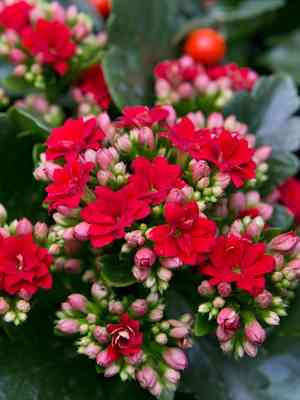
Kalanchoe blossfeldiana readily multiplies via stem sections, ideally throughout the balmier periods of spring and summer. Just insert the cuttings into damp substrate. Observe for fresh development as an indicator of successful propagation. Guarantee ample illumination is supplied to foster vigorous development.
When Is the Optimal Time to Propagate Florist Kalanchoe?
Propagation Method
Cuttings
Propagation Period
Spring, Summer
What Equipment Is Used for Florist Kalanchoe Propagation?
Sharp Pruning Shears
Precise pruning shears are vital for making clean cuts from the parent florist kalanchoe plant. A clean cut promotes quick healing for both the cutting and the parent plant, reducing infection risk. Designed for delicate tasks, these shears accurately trim stems or leaves without crushing plant tissues.
Rooting Hormone Powder
Applying rooting hormone powder to the cut end of florist kalanchoe cuttings can significantly boost root development. This powder stimulates root growth in the cutting, increasing the chances of successful propagation. For florist kalanchoe, a light dusting of hormone powder can accelerate rooting.
Sterile Potting Mix
A sterile potting mix offers a disease-free environment for florist kalanchoe cuttings to establish roots. It should drain well yet retain enough moisture to support new root growth. A balanced medium like a peat-perlite mix is suitable for florist kalanchoe, helping prevent root rot while maintaining ideal root development conditions.
Propagation Trays or Pots
These containers hold the potting mix and support florist kalanchoe cuttings as they develop roots. Using individual cells or small pots can prevent disease spread and allow for easy monitoring and care for each cutting. Optimal size and drainage holes are crucial for managing soil moisture around developing roots.
Plastic Domes or Bags
Creating a humid environment around florist kalanchoe cuttings is essential for preventing water loss while they lack roots. A plastic dome over the propagation tray or a plastic bag loosely covering the pots can maintain high humidity, acting as a mini greenhouse that helps cuttings retain moisture.
How to Propagate Florist Kalanchoe?
Propagation Method
Cuttings
Difficulty Level
Easy
How to Care for Your Newly Propagated Florist Kalanchoe?
How to Care for Your Newly Propagated Florist Kalanchoe?
After propagation, florist kalanchoe should be placed in a container with drainage holes using well-draining soil. Water when the top inch of soil feels dry, and provide bright, indirect light. Fertilize monthly with a balanced, water-soluble fertilizer during the growing season. Avoid overwatering and ensure good air circulation to prevent diseases. Temperature should be kept between 60-85°F (16-29°C), and occasional pruning will help maintain a bushy, attractive shape.
Common Mistakes to Avoid When Propagating Florist Kalanchoe
Overwatering
Excessive moisture can lead to root rot, a condition where the roots of florist kalanchoe are unable to absorb nutrients and water due to decay, ultimately resulting in a failed propagation effort.
Using old or contaminated soil
This can introduce fungi or pests to the propagation medium, harming the delicate cuttings of florist kalanchoe and reducing the chances of successful root development.
Cutting too short stem segments
Short segments may not have enough energy reserves or nodes to support new growth, hindering the rooting process for florist kalanchoe.
Ignoring leaf health
Choosing leaves that are yellowing or damaged to propagate florist kalanchoe can result in weak growth or failure, as unhealthy leaves are less capable of generating new plants.
Neglecting aftercare
Once rooted, failing to acclimate florist kalanchoe cuttings to new conditions can shock the plants, potentially leading to loss of the propagated specimens.
Tips For Propagating Florist Kalanchoe
Use a sharp, clean cutting tool
Ensuring the cutting instruments are sterile prevents infection and ensures a clean cut, which aids in the rapid healing and rooting of florist kalanchoe cuttings.
Select healthy leaves or stem segments
Healthy plant material contains the necessary nutrients and is free from diseases, making it more likely to root successfully and grow into a healthy florist kalanchoe specimen.
Provide indirect light
While florist kalanchoe requires good lighting to thrive, too much direct sunlight can scorch new cuttings. Indirect light promotes gradual acclimatization and growth.
Monitor moisture levels
The propagation medium should be kept consistently moist but not waterlogged. This encourages the formation of roots in florist kalanchoe cuttings without risking rot.
Use well-draining soil
A mix that provides aeration and quick drainage helps in establishing a strong root system for florist kalanchoe, reducing the potential for waterlogging and subsequent root rot.



